


lemlist is a French prospecting platform: email sequences, LinkedIn steps, calls and SMS in the same campaign. The Email plan costs €69 per month (€55 billed annually), the Multichannel plan €109 (€87). A lemlist alternative does the same job with a different trade-off: cheaper, stronger on LinkedIn, deeper in the CRM or built for volume. Depending on your need:
- LinkedIn first, to get started fast: Waalaxy;
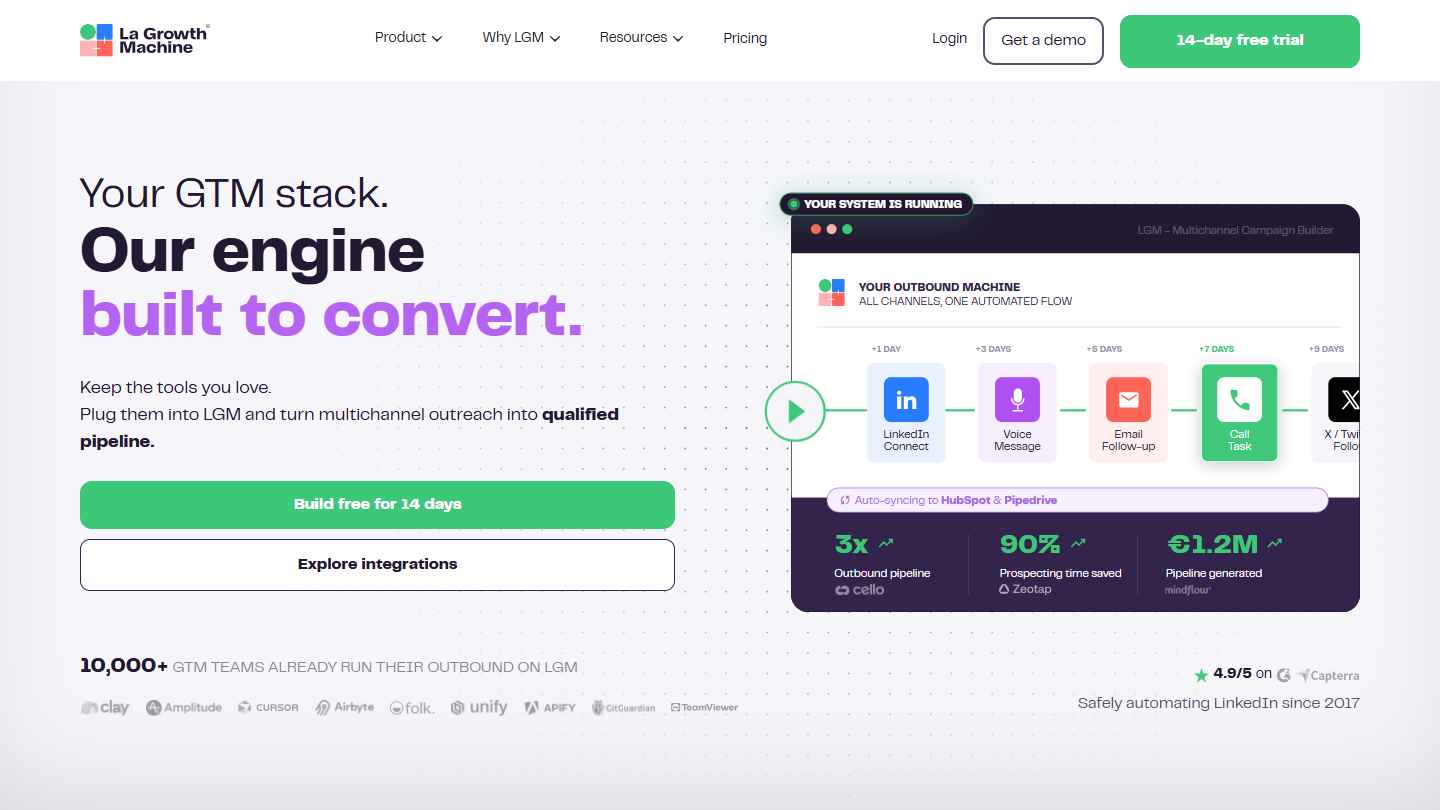
- real multichannel connected to HubSpot or Pipedrive: La Growth Machine;
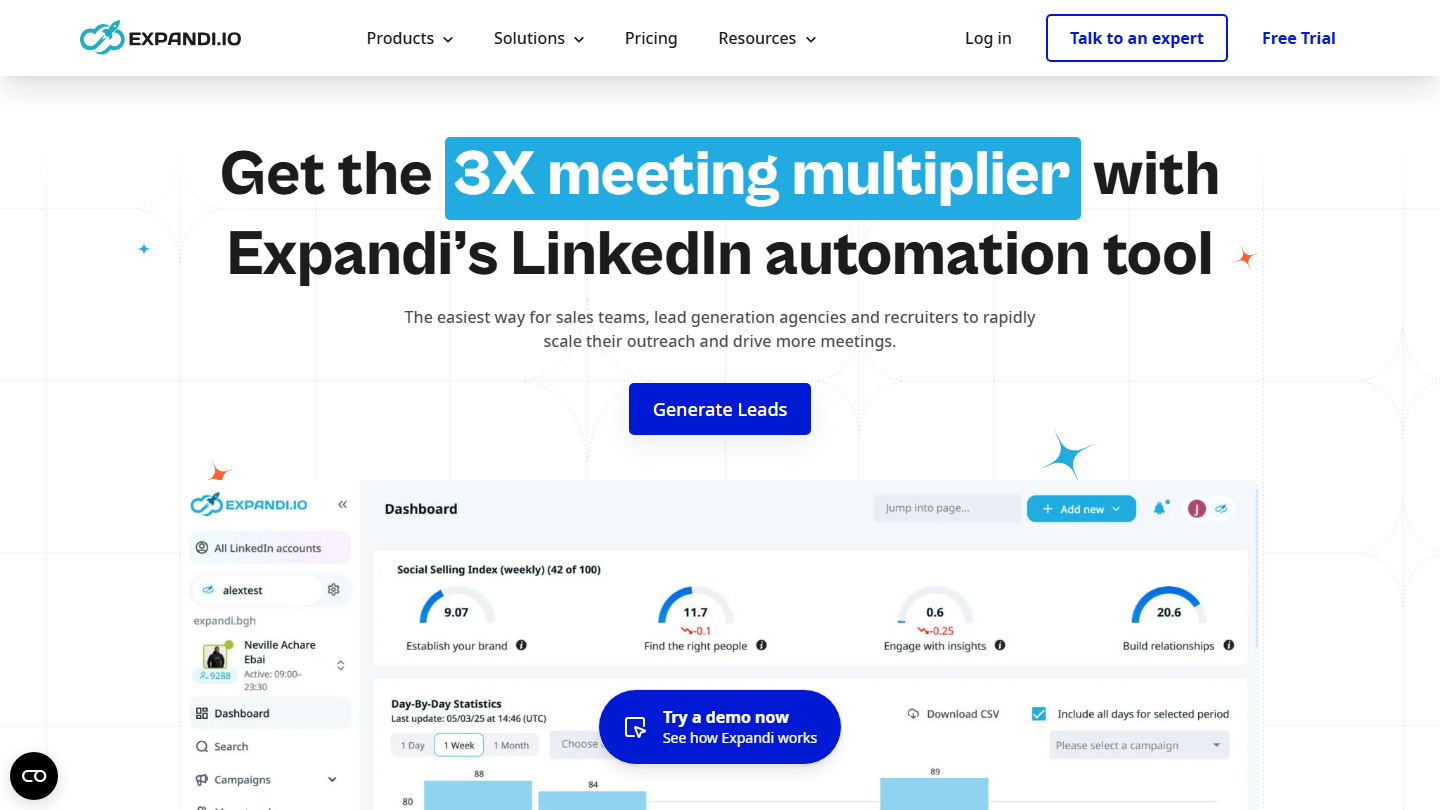
- conditional LinkedIn sequences, with no Chrome extension: Expandi;
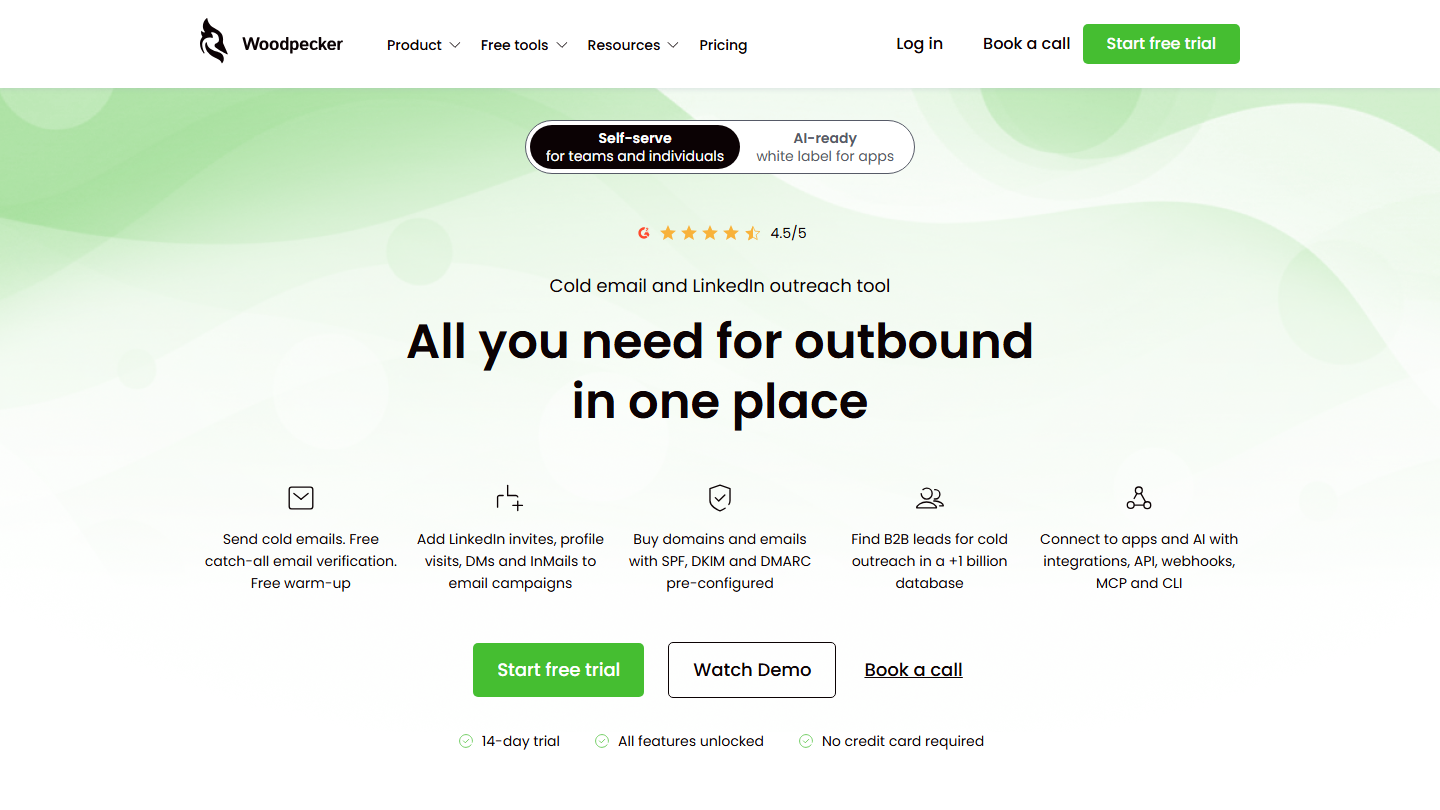
- email only, with careful reply management: Woodpecker;
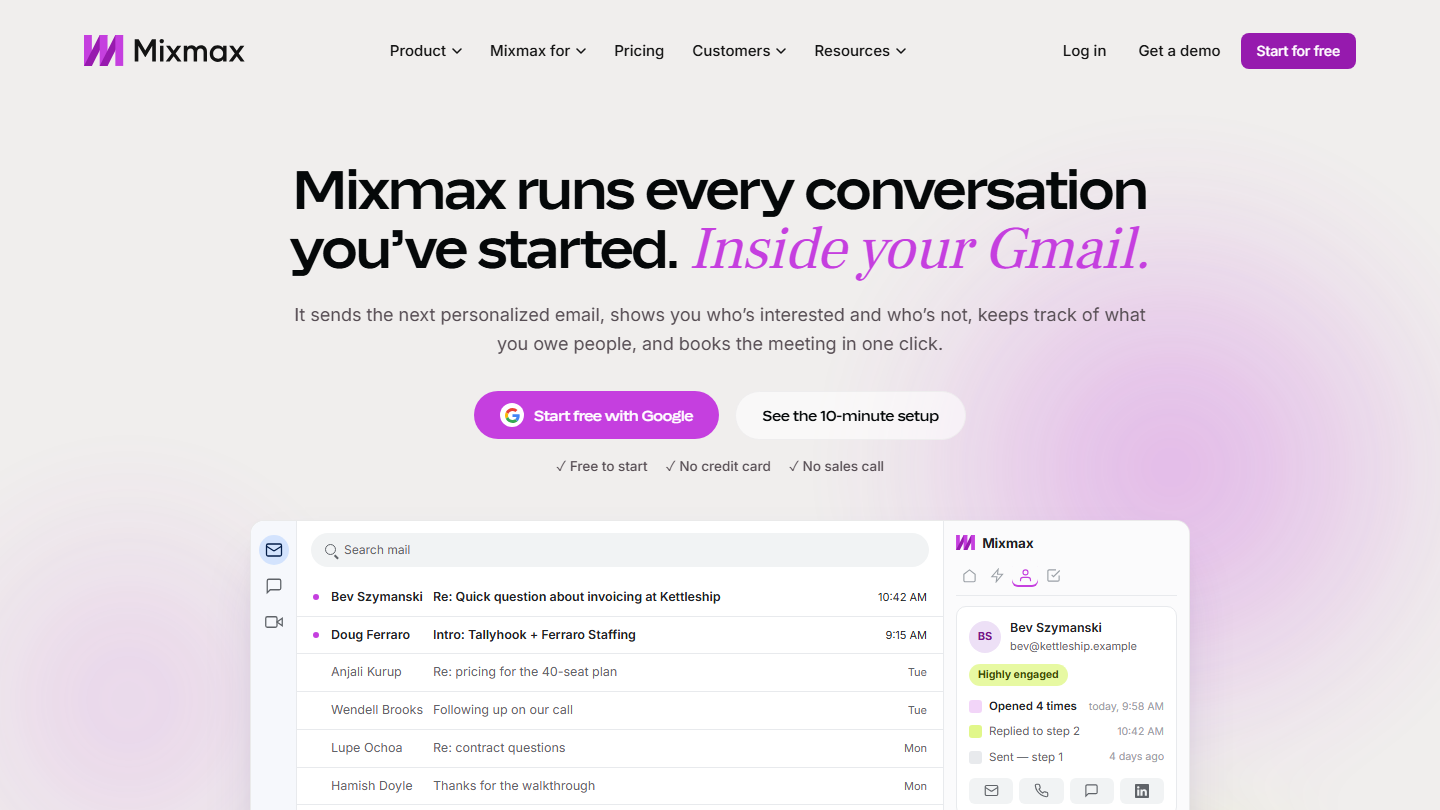
- prospecting from Gmail and booking meetings: Mixmax;
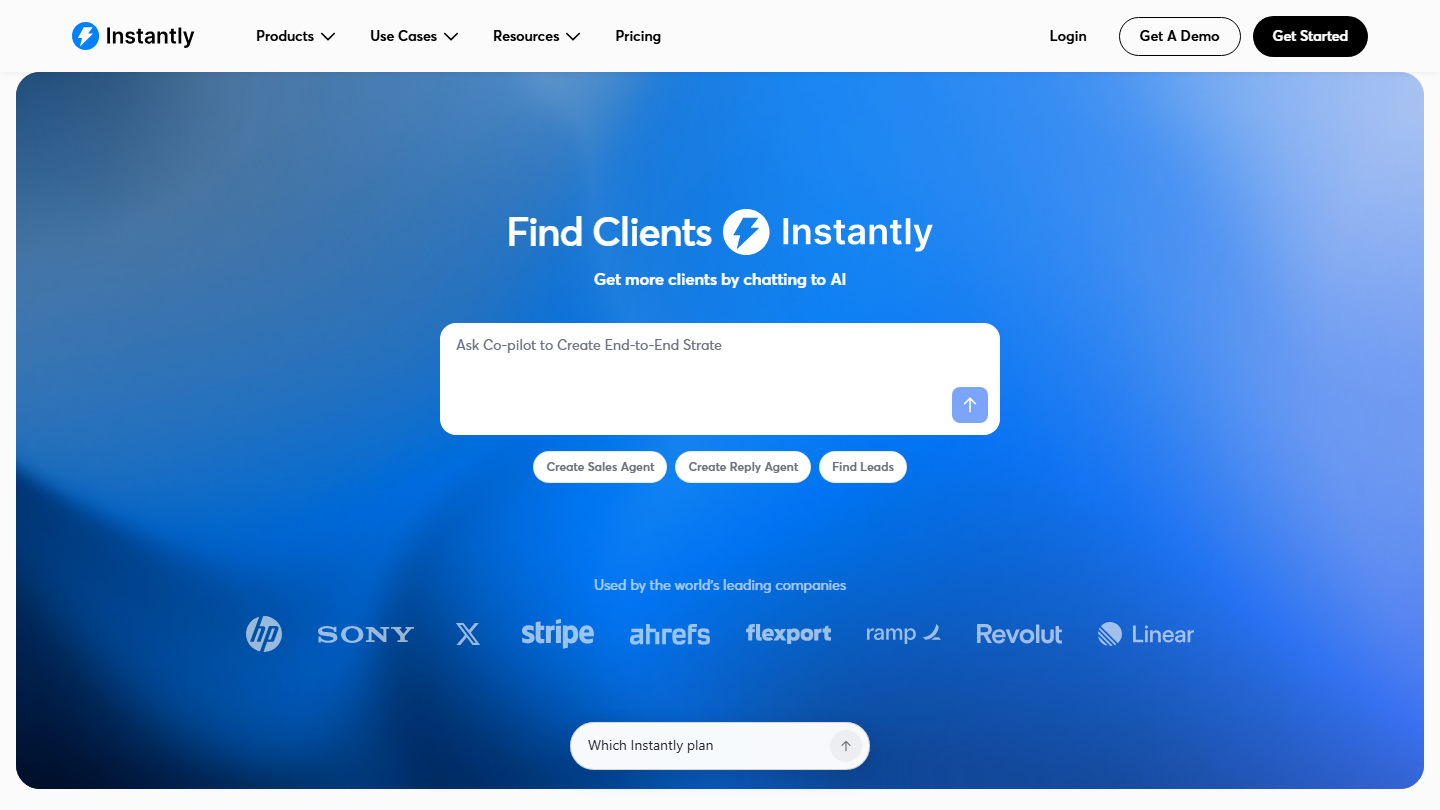
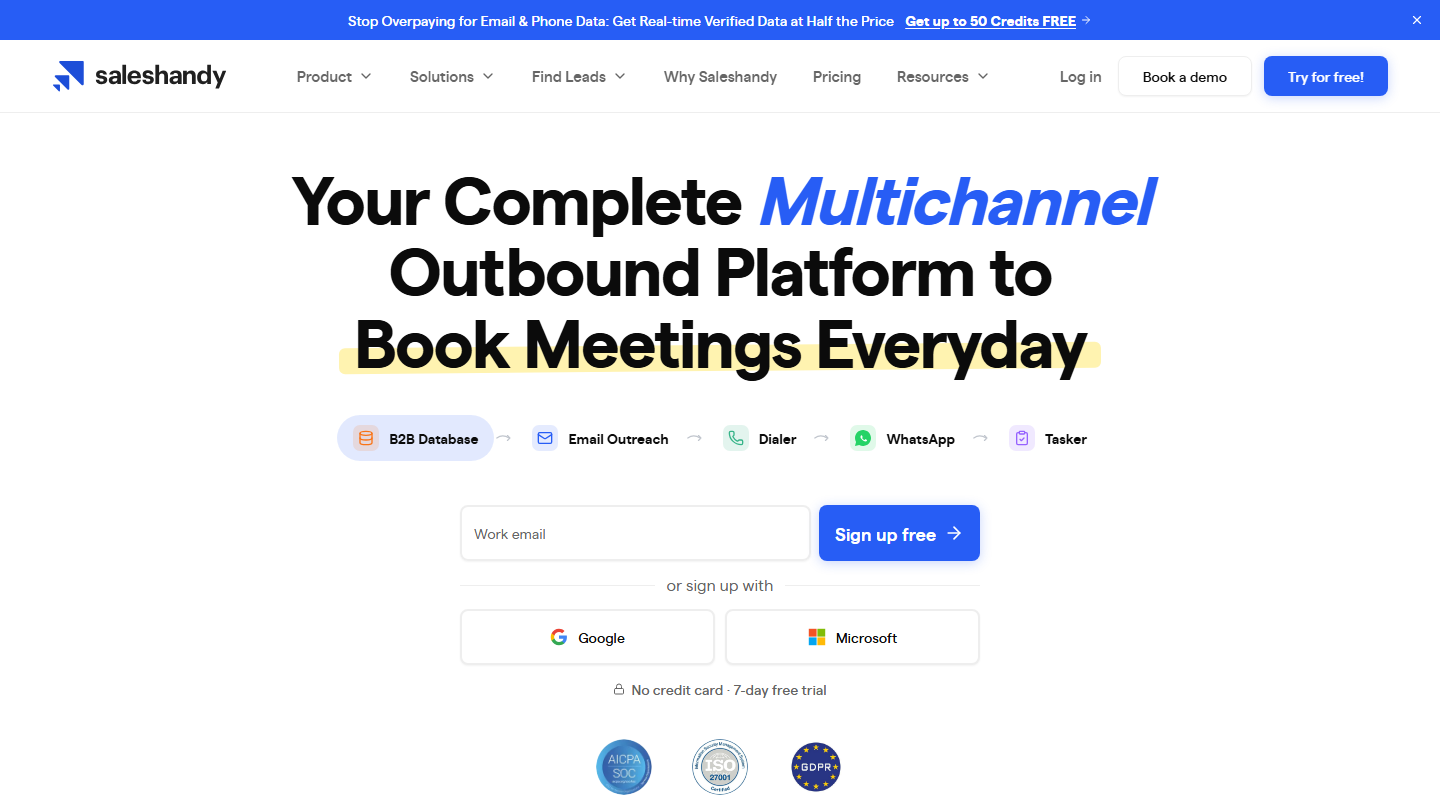
- large volumes at a fixed price: Instantly or Saleshandy;
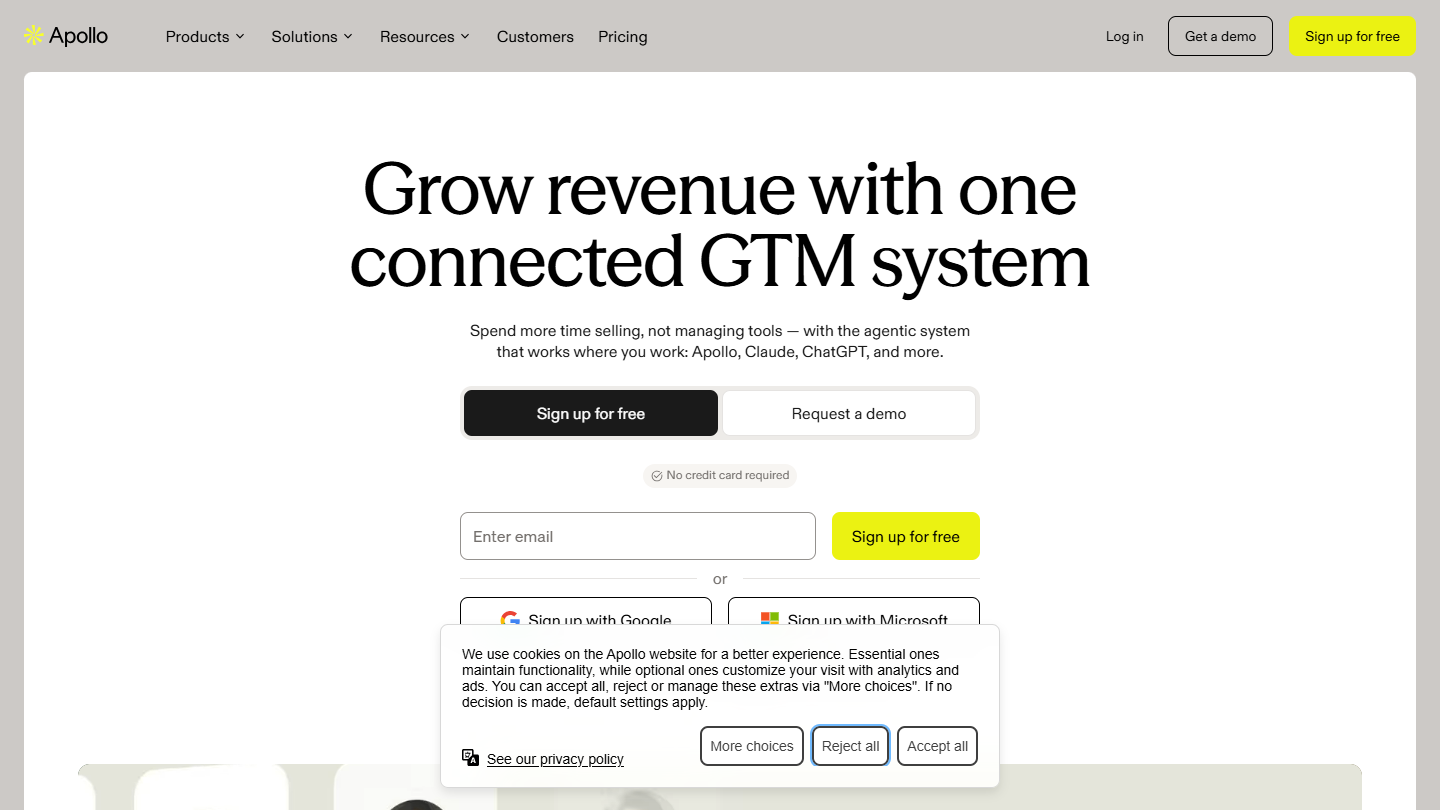
- the lead database, sequences and calls in a single tool: Apollo.io or Reply.io.
lemlist has done remarkable work in democratizing multichannel prospecting.
The tool, which started as a Google Suite add-on for managing cold mailing campaigns, gradually evolved to make more complex multichannel campaigns accessible to everyone.
You can’t take that away from them.
But in my opinion the product has also evolved rather badly.
lemlist muddles its message a bit: they added a lot of things, in every direction, and the simplicity and accessibility that made lemlist successful are no longer really there.
Not to mention the pricing and their experiments with lifetime deals, which earned them the sad nickname « Lemfist » in many communities.
Overall, you can’t escape the impression that lemlist is more a status tool than an effective B2B prospecting tool today.
In this article, we present 10 alternatives that let you go at least as far, often for less.
Why look for a lemlist alternative?

#1 To do real multichannel
lemlist was not originally designed for LinkedIn. LinkedIn automation is only available in the Multichannel plan, at €109 per month per user (€87 billed annually), and any LinkedIn automation exposes its users to the risk of being detected and banned by LinkedIn.
lemlist has since added its own lead database and email finder, but credits are paid separately: €20 per month for 2,000 credits, which is 400 emails or 100 phone numbers.
lemlist’s interface is not very smooth or intuitive, and often glitches, which makes life harder for new users. As soon as you want to do something a bit complex, it becomes super complicated.
#2 To manage replies to your campaigns better
Reply management was long lemlist’s weak point: a new reply became a new task, drowned among all the others. The tool has since added a centralized inbox and several senders per user (5 in the Multichannel plan).
For comparison, Woodpecker automatically detects the type of reply (opt-out, out of office) and assigns it a tag when it manages to: not always, but overall it works well. And you can set rules, for example « resume the sequence when they are back at the office ».
La Growth Machine also detects absences, starting with its Pro plan. And Waalaxy has a hyper-efficient LinkedIn inbox.
To scale cold mailing, you need several accounts (to ensure good email deliverability) and a single inbox to get all replies in one place. lemlist now allows this, but Instantly and Saleshandy accept an unlimited number of sending mailboxes from their first plan.
#3 To save money
It’s pretty much the same topic.
There are two types of alternatives on the market:
- Alternatives that also work on a « sender profile » basis: Waalaxy, LGM, Woodpecker, Apollo. In general they are noticeably cheaper, and they include enrichment, search and validation of email addresses, with often deeper integrations with the main CRMs on the market, for « tailor-made » work on a relatively narrow target.
- Alternatives that let you scale your campaigns: Instantly, Saleshandy. They work with a monthly plan and a volume of emails or contacts per month. To be honest, I like the approach less, but in reality spam works very well, you just need volume.
#4 To integrate better with your CRM
Depending on your needs, there are several types of CRM integrations. lemlist long created simple notes in the CRM; its HubSpot integration now syncs contacts, activities and replies to the contact record, with property mapping.
Other tools go further and create events for each prospecting action (messages sent and received, connection requests accepted, etc.), which can trigger actions in the CRM: automatic enrichment, lead scoring, « status » changes, etc. That is what La Growth Machine does with HubSpot and Pipedrive, in its Ultimate plan.
On data quality, the rule doesn’t change: notes are unstructured data, so unusable other than by reading them, whereas every CRM offers plenty of objects for structured data (activities, contacts, companies, etc.). Look at what the tool writes into your CRM before choosing.
#5 Because you want a serious tool, not to be in the top 1% of sellers
There, I said it.
More seriously, lemlist does a monstrous amount of evangelization on the subject, and that’s great for helping beginners get up to speed and start getting results.
But it is really not (or no longer) a tool for building very high-performing sequences, let alone at scale.









What the community says.