


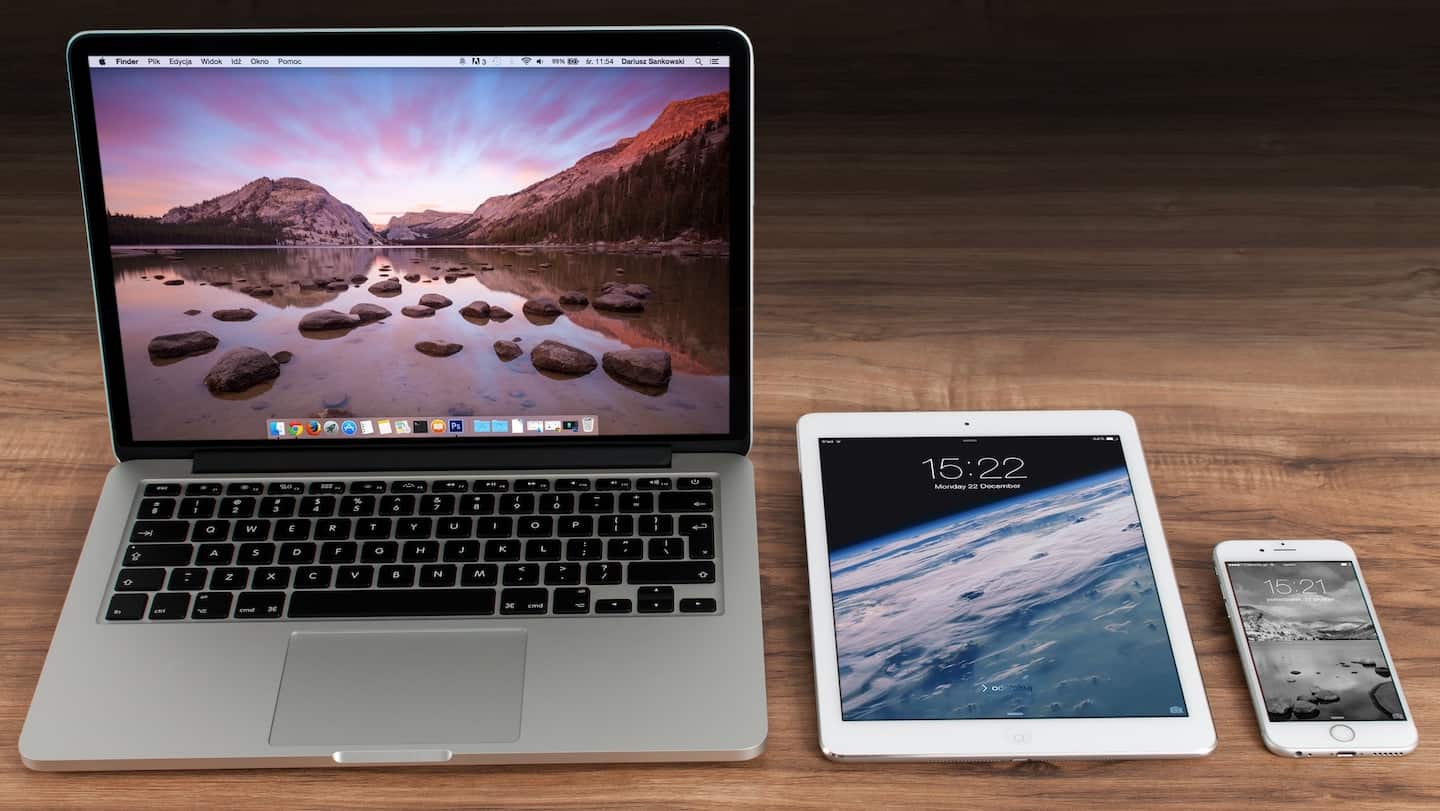
- WebRTC is an API built into browsers: you call from a computer, tablet or phone, with nothing to install.
- No new equipment or IP phones to buy, no installation or maintenance costs.
- WebRTC adapts to network variations and keeps good quality even when the connection is weak.
- Click to speak is a button on the website that lets the customer call the company for free, in one click.
- Virtual numbers per country and automatic call distribution route each customer to an agent who speaks their language.
WebRTC technology offers businesses many benefits.
Constant technological change makes it possible to work with ever more efficient and modern methods in every sector of the business world.
These methods help increase productivity, gain efficiency and optimize company resources.
The revolution currently under way in the telecommunications sector also brings new solutions for internal communication and external communication.
This is particularly true for managing phone relationships, a fundamental aspect of business communication.
Telecommunications is therefore a very dynamic sector where technology keeps evolving.
These advances simplify and optimize remote communications, especially with other countries, offering more features and greater flexibility for users.
WebRTC, the next step after IP telephony, is part of this evolution. In this article, we will look at the benefits of this technology.

What is WebRTC?
WebRTC (Web Real-Time Communication) is a technology developed by Google. It is open-source software that lets you make phone calls, video calls or share documents in real time between any internet-connected device: mobile phone, tablet, computer or even smart TV.
Another thing WebRTC offers is that it can be used on any device without downloading any kind of program. All you need is to log in to an online platform that gives access to the phone line wherever you are: at the office, at home, on the train, etc.
WebRTC technology works thanks to a codec that encodes and decodes digital signals and streams so that the information reaches its destination.
In other words, it is an API built directly into browsers that enables real-time communication.
This new technology offers countless opportunities and benefits for SMBs and large companies alike, because of the variety of its applications (sales, accounting, development, unified communications…).
This innovation is proving to be a revolution in IP technology, and experts see it as a safe bet for the future of telecommunications and IP telephony.
Features of the WebRTC virtual phone system
Companies are investing more and more in solutions that strengthen their brand image.
Whether it means improving the website, choosing a new logo or a new slogan, etc., many solutions exist to improve the company’s image.
However, that image also depends on the quality of customer service, which comes down mainly to how well or badly the calls customers make are handled.
Installing a WebRTC virtual phone system gives you access to many features:
- These features include, for example, an options menu to guide customers in their search for information, a welcome message telling customers the company’s business hours, queue management, call recording, etc.
- Likewise, you can set the order of preference in which agents receive calls, based on their area of expertise, qualifications, experience, the languages they speak, etc.
- For example, if the incoming number is assigned to Spain, the call can be routed directly to someone who can handle it in Spanish. On top of that, internal calls and call transfers between agents are simple and completely free.
- You can also adapt the WebRTC virtual phone system to your working hours: when your company is closed, an automatic message tells the customer your opening hours. If the call cannot be taken for another reason, another message can be set up telling the customer why their call cannot be handled and when they can call back.
WebRTC, the future of communications

Today, the internet is an accessible and necessary medium for any business. Internet calls also mean, among other things, significant savings for companies.
Working with WebRTC to make or receive phone calls means there is no need to buy new equipment or IP phones. On top of that, there are no installation or maintenance costs.
This technology works with any browser that has an internet connection via mobile data or wifi.
Moreover, WebRTC quality is far superior to any previous communication system.
Google claims a major improvement in the quality of voice and video. In addition, WebRTC adapts to network variations, delivering the best possible quality at every moment, even when the connection is weak, unlike previous IP telephony services.
Fonvirtual is one of the companies offering this technology, whose main benefits are: lower costs for installing the phone system, the best sound quality available on the market, and the freedom to move around without geographic restrictions and without missing a single call.
The benefits of WebRTC for business communication
- A virtual phone system with WebRTC technology improves communication performance and delivers quality service to customers thanks to better call management.
- Managing business communication used to be complicated and expensive. Today, with new technologies, it has become more and more easy and accessible to everyone, without big spending.
- WebRTC is one of these new technologies and has therefore revolutionized international communications. It is now possible to connect two people in real time through a simple browser connected to the internet.
- The future of communications therefore lies partly in WebRTC technology.
- As mentioned earlier, WebRTC adapts to network variations, which lets it deliver the best possible communication quality at every moment, even when the connection is weak. WebRTC is therefore highly adaptable to changes in network quality, which eliminates the usual dropouts and echoes. The software is perfect for calling from any country to any destination: the voice is carried over the internet, in HD quality, at no extra cost.
- Calls can be made from a computer, a mobile phone or a tablet. It makes no difference: the quality stays the same and the person on the other end will never notice.
Click to speak: easy, continuous communication
High costs for international calls, technical problems, blocked or busy lines… Communication, especially internationally, often causes problems for individuals and businesses alike.
WebRTC made possible the creation of Click to Speak (the next step after click to call), which looks like the best-suited solution to these communication issues.
It is a tool that lets website users get in touch with the company simply, quickly and completely free of charge (even if the company and the user are on two different continents).
Click to speak comes as a button that appears on a website and lets customers contact the company for free in a single click, without having to find the company’s phone number and call it from their personal phone.
With WebRTC technology, geographic barriers disappear
When it comes to calling over the internet, geographic barriers disappear.
Working with a WebRTC phone system means being able to answer company calls at any time, wherever you are, without having to give your customers a different phone number.
For this reason, WebRTC allows full mobility anywhere in the world.
Take the example of a Spanish company with customers in France and around the world:
It is important for this company to offer its customers a number matching their country, to put them at ease and so they know the call will not be charged at a premium rate.
It therefore needs to work with a provider that can supply one or more virtual numbers for the countries where the company operates, even though there is only one call reception center: the one in Spain.
A French customer can then call a French number at no extra cost.
In addition, thanks to the automatic call distribution system, a call from France can be automatically routed to a French-speaking agent.
Otherwise, when the customer contacts the company, they will hear a welcome message, then a series of options to choose from to route their call according to criteria set in advance.
Conclusion
Business communications through WebRTC technology can improve the company’s image, increase its productivity, optimize its resources, make it more efficient and at the same time deliver the best possible customer service.
WebRTC also supports remote work, an increasingly common way of working. So it is very much a technology of the moment.
For this reason, more and more companies are betting on WebRTC, because it is a flexible technology able to keep evolving to meet the changing needs of users, companies and the world at large.
What will the next step be? Time will tell…
The questions we get over and over.
What is WebRTC?
WebRTC (Web Real-Time Communication) is a technology developed by Google. It is open-source software, an API built directly into browsers, that lets you make phone calls, video calls or share documents in real time between internet-connected devices.
Do you need to install software to use WebRTC?
No. WebRTC works with any browser that has an internet connection, via mobile data or wifi. All you need is to log in to an online platform that gives access to the phone line.
What features does a WebRTC virtual phone system offer?
An options menu to guide the customer, a welcome message, queue management, call recording, an order of preference for agents based on their expertise or languages, call transfers between agents and messages adapted to working hours.
What is click to speak?
A button displayed on a website that lets customers contact the company for free in a single click, without looking up its phone number or using their personal phone, even if the company and the customer are on two different continents.



What the community says.