



- 87% of new managers would like to be trained before taking up their role, while 99% of companies say they train their managers: training is not enough without coaching on real cases.
- Servant leadership puts the manager in service of their team members to help them carry out their missions.
- According to Gartner, the best-performing managers are not the « Always-On » ones but the « Connector Managers », who put their team in touch with the right people.
- Emotional intelligence rests on four components: self-awareness, self-regulation, social awareness, relationship management.
- The GROW model (Goal, Reality, Options, Will) structures a coaching session or a longer program.
Manager coaching is designed to help team leaders manage people better, by developing their ability to analyze complex situations and giving them the keys to act in a crisis.
This coaching sharpens managers’ interpersonal skills and lets them draw on their emotions to respond to their teams with tact and effectiveness.
Why coach your managers?
According to a statistical study by OfficeVibe & published on huffpost.com, 3 out of 4 employees say the stress they feel at work is passed on by their manager.
In the same study:
- 65% of employees say they would value a change of manager as much as a pay raise
- and 85% of executives lack confidence in their leadership skills.
Another 2016 study by Grovo shows that 87% of managers taking up their roles would like to be trained before starting, so they feel ready to become real leaders.
Yet 99% of companies said they provide management training to their managers.
These findings make it clear that training is not enough. To pay off, it has to be paired with coaching sessions, individual or not, that support the manager on concrete, real cases.
To develop managers who are ready to take on their role and lead their teams to success, here are four areas where coaching can help:
- Taking up a role or a promotion: Develop your stance as a manager;
- Dealing with fast business growth: Optimize how resources are organized, empower and involve your team members so you can spread the work;
- Responding to difficulties (conflicts, falling productivity, etc.): Communicate well, strengthen your teams’ cohesion and motivation;
- Overcoming your own professional difficulties (impostor syndrome, stress…): Improve your interpersonal skills to communicate better with your team members.
Go furtherDiscover our selection of the best sales training programs on the market
How to coach managers: goals and process
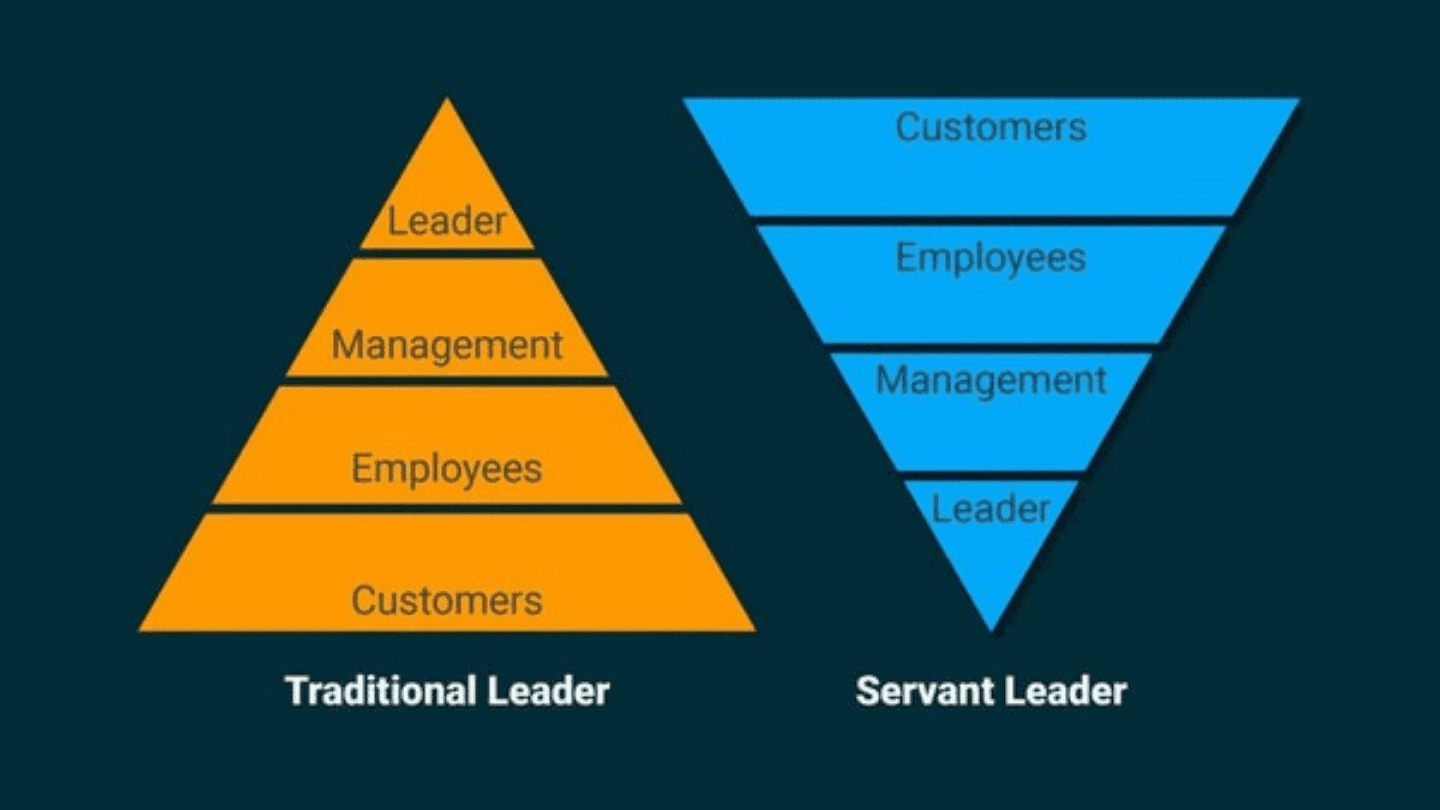
Servant leadership: the manager in service of the team
Servant leadership is a coaching principle that owes its fame to Robert Greenleaf (researcher and consultant to large American companies).
He wanted to find an alternative to traditional authoritarian leadership. Servant leadership puts the manager in service of their team members, to help them carry out their missions and reach a shared goal.
The problem with some managers and team leaders is that they too often set their leadership role aside to focus on their daily administrative tasks and the regulatory requirements of their job.
They forget that their teams are made up of individuals with their own emotions, needs, wishes and personalities.
With the servant leadership principle, managers become aware of their staff’s concerns and diligently support them in completing their tasks.
Management styles
That said, a Gartner study showed that « Always-On » managers, meaning those who are always available to their teams & constantly try to make themselves useful, are not necessarily the ones who deliver the best performance.
Gartner shows that the most successful managers are the ones it calls « Connector Managers ». These are managers who know how to recognize when they are not in a position to give the best answer.
Depending on the case, either their team can solve the problem on its own, or the manager becomes a « connector », whose role is to put their direct reports in touch with the right people.
The head of HR practice research at Gartner, Sari Wilde, sums it up: « It’s very hard for companies to find ways to build this self-awareness in managers ».
Once that awareness is in place, coaching is what remains to improve managerial behaviors and approaches.
Sari Wilde recommends comprehensive coaching on management and leadership methods, on a regular, targeted basis. She also recommends drawing on well-regarded manager role models, and providing feedback and guidance from peers seen as legitimate.
Develop your managers’ emotional intelligence
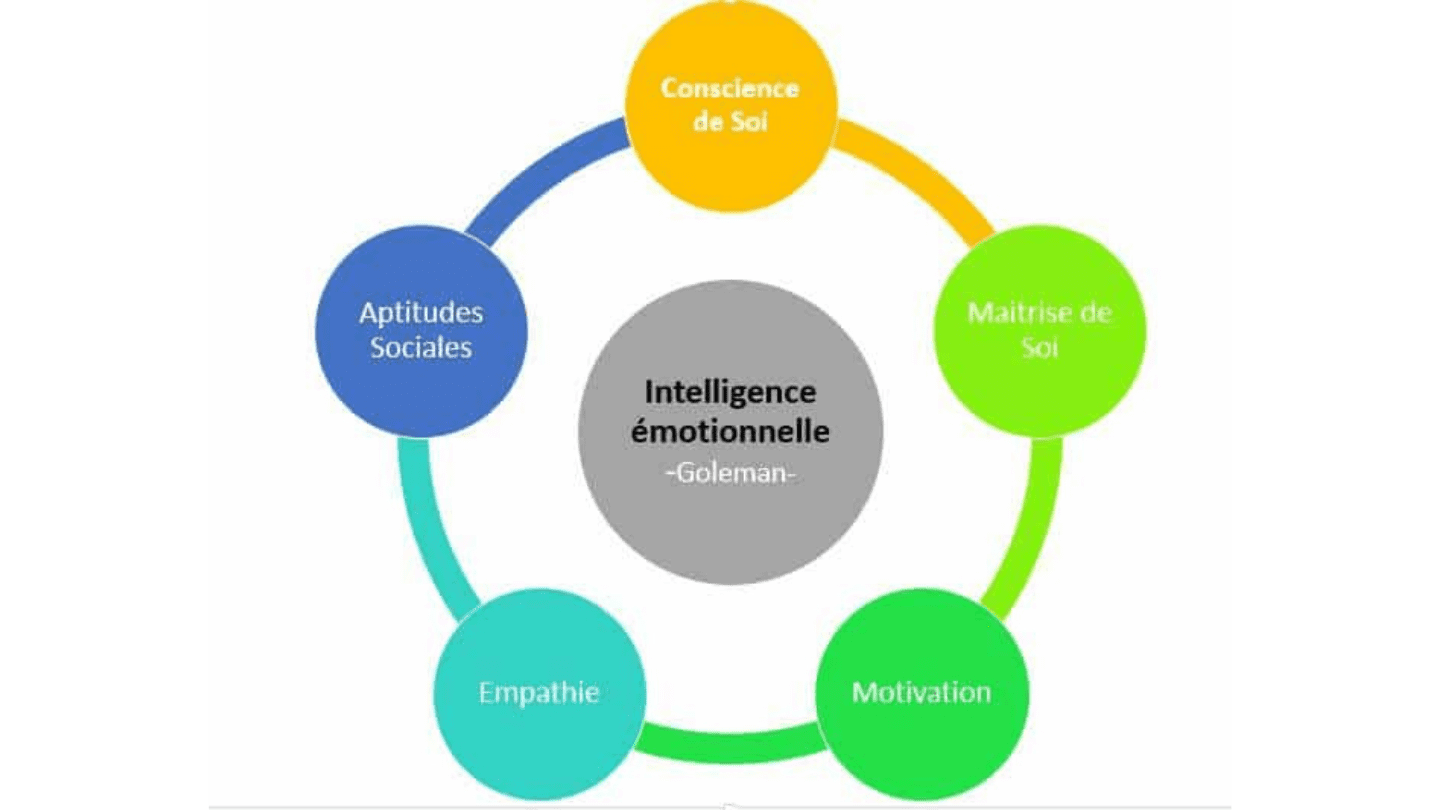
Managers who receive management coaching based on emotional intelligence adopt better, more positive communication with their team members.
They work to defuse discord and stress at work, and encourage healthy collaboration between team members. Customers sense this cohesion among staff and are generally more easily satisfied.
Here are the 3 steps to develop emotional intelligence:
- Recognize the benefits of having emotionally intelligent employees: More emotionally intelligent employees bring better communication within teams, better collaboration and, in the end, satisfied customers.
- Understand the science behind EI: Scientific data has proven the effectiveness of emotional intelligence in organizations, thanks to the positive mindset it gives employees.
- Master the 4 core components of emotional intelligence: Self-awareness, self-regulation, social awareness, relationship management.
Help your managers become coaches
« Monkey see monkey do« , as the English saying goes.
Managers encouraged to practice servant leadership and emotional intelligence will themselves become better coaches, able to lead their teams to success. They will know how to support them through everyday challenges and problems as they come up.
It is important to remind new managers why coaching their teams matters, so the teams keep getting more effective and efficient. Being a manager goes beyond delegating tasks and organizing teamwork. You have to learn to be a manager & a coach at the same time.
Go furtherTo boost your company’s performance, find inspiration in the best sales books recommended by sales leaders.
Go furtherDiscover 25 ways to motivate your sales teams
The GROW model: the coach-manager
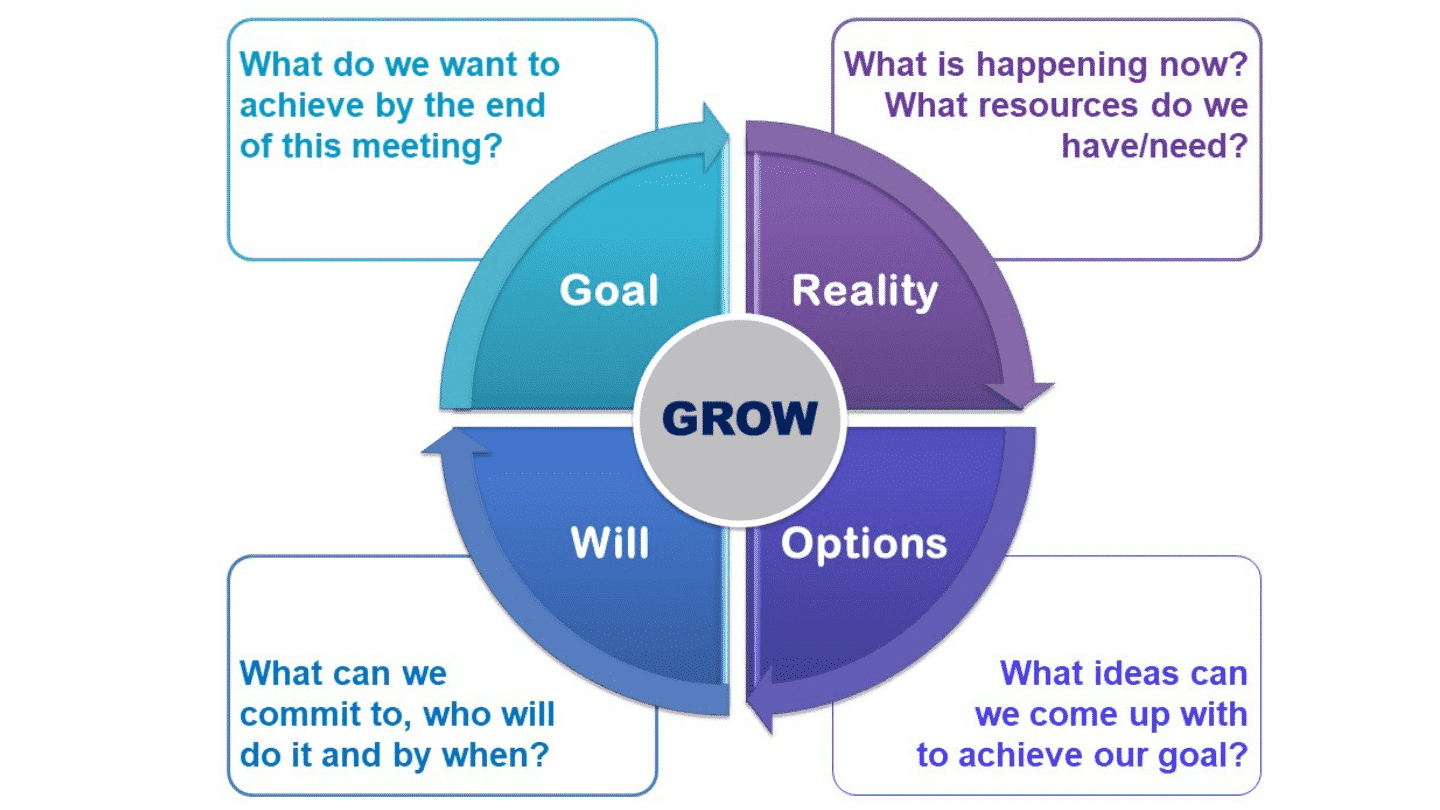
The GROW model is a well-known coaching tool that gives structure to the coach’s approach. You can use it for a single session, a series of sessions, or over the much longer term. It is an acronym:
- Goal: Determine why a person is taking coaching. Don’t settle for their purely professional objectives and their role in the company. Go further: which behaviors or reactions are we hoping to change?
- Reality: Once you have the first information about the goal of the training, ground the manager’s expectations in reality. The coach asks more concrete, constructive questions to anchor the goals in reality.
- Options: People who turn to coaching often feel stuck. So you need to help them open their thinking to new perspectives. The coach helps the coachee discover a new range of possibilities, mainly by conveying optimism and pushing the thinking a little. Then all that remains is to explore the pros, cons and risks of each option.
- Will: In practice, this means defining the next steps: who does what, and by when?
Go furtherAlongside your management coaching efforts, you can set up a motivating compensation plan for your teams.
The questions we get over and over.
Why coach your managers?
Because training is not enough: 87% of managers taking up their role would like to be trained beforehand, while 99% of companies say they train their managers. To be useful, training has to be paired with coaching sessions that support the manager on concrete, real cases.
In which situations is manager coaching useful?
When taking up a role or getting a promotion, when facing fast business growth, when dealing with team difficulties (conflicts, falling productivity) and to overcome your own professional difficulties, such as impostor syndrome or stress.
What is servant leadership?
A coaching principle that owes its fame to Robert Greenleaf. It puts the manager in service of their team members, to help them carry out their missions and reach a shared goal.
What is a "Connector Manager" according to Gartner?
A manager who knows how to recognize when they are not in a position to give the best answer. Either their team solves the problem on its own, or they put their direct reports in touch with the right people. Gartner sees them as the most successful managers.
What does the GROW model stand for?
Goal, Reality, Options and Will. It is a coaching tool that structures the coach's approach, for a single session, a series of sessions or over the longer term.



What the community says.