


- Media training prepares your key messages, your answers to difficult questions, how you express yourself and how you lead the interview.
- Beyond five key messages, you risk weakening the impact of what you say.
- Give your trainer clear goals and an honest picture of your level: number of interviews, types of media, difficult questions you have faced.
- A video interview needs preparation too: connection, audio, camera and environment tested beforehand.
- Expect on average €100 to €500 per hour one-on-one, €200 to €2,000 per day for groups.
Interviews that go wrong, botched TV appearances, tough questions you don’t know how to handle, and so on: dealing with the media is not easy, and yet your career may well lead you to it.
An interview with a journalist is completely different from a board meeting or a client appointment. That is why media training exists: to help you get the most out of these interviews and get your messages across.
What is media training? How much does it cost and how do you get the most out of it? We share all its secrets here.
What is media training?
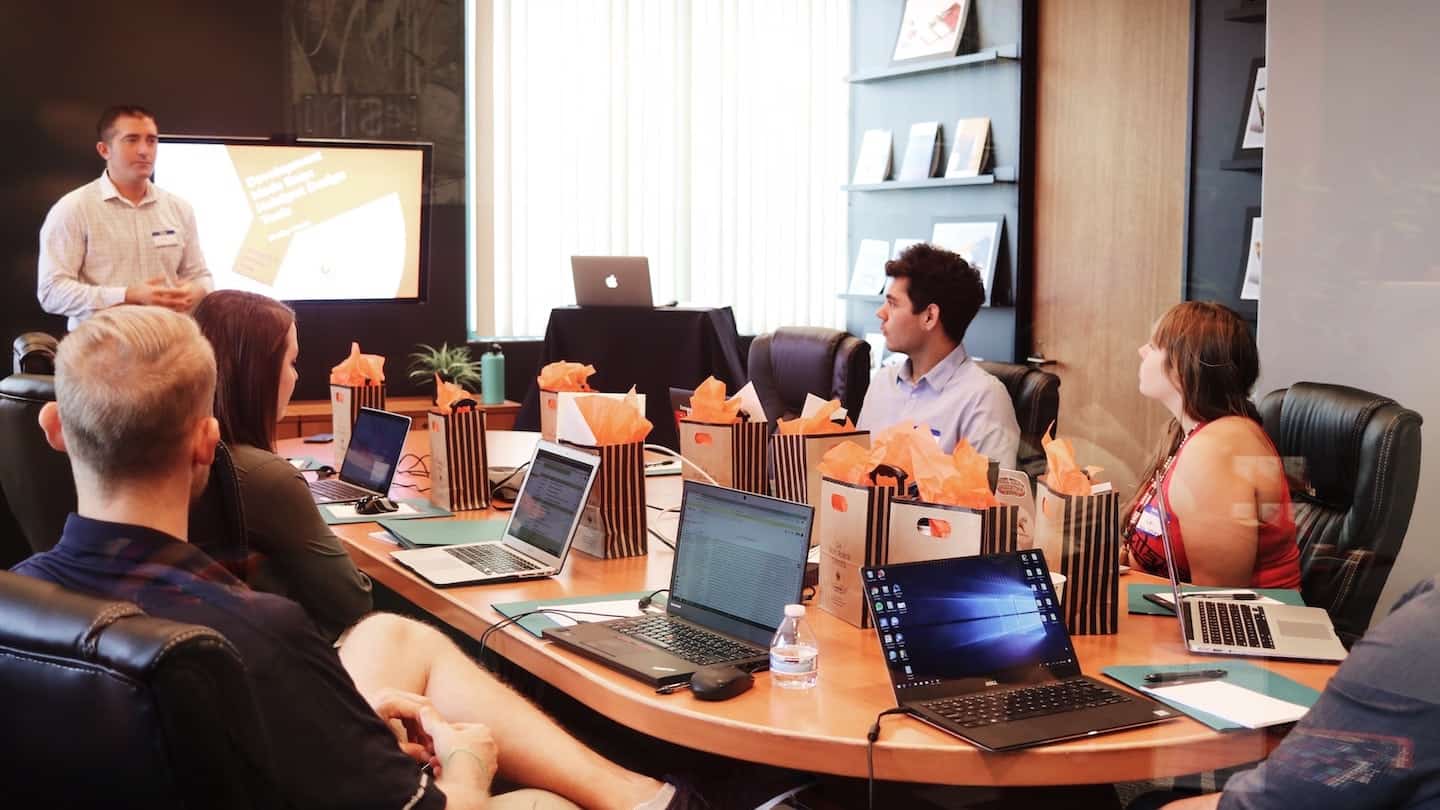
Media training is a type of training that specializes in dealing with the media.
It prepares you to answer journalists’ questions as well as possible. In these sessions, the goal is to anticipate the questions, avoid the traps that keep coming up and make sure you get your key messages across.
This training also helps you improve your relations with the media and can complement the work of PR agencies. And communicating well with the media helps you improve your brand image, generate leads or attract new talent, for example to recruit salespeople.
Sessions can be group or one-on-one and can last from one hour to several days. In fact, the format of the training is something to decide with your trainer or coach. The more personalized your training, the more you will get out of it.
4 good reasons to take media training
1. Prepare your key messages
One of the goals of media training is to prepare your organization’s key messages: as in a sales prospecting meeting, your goal in an interview is to be convincing. Defining your key messages is critical to knowing what you want to get across in your interviews.
Want your key messages to stick? They need to be original, short and focused on what you bring to the audience.
They should highlight the benefits of your product or service. You also need to use language suited to the outlet’s audience.
As a general rule, avoid presenting more than five key messages, or you risk weakening the impact of what you say.
The Salesdorado tipDon’t hesitate to repeat your key messages several times so the audience remembers them and associates them with your brand image.
2. Prepare answers to difficult questions
In an interview, it is not unusual to face complex questions you don’t know how to answer. Media training prepares you to answer any kind of question and to get out of the trickiest situations.
By preparing for difficult questions, you feel more confident and you give yourself every chance to answer your interviewer as well as possible.
The Salesdorado tipIn an interview, the idea is not to be at ease but to look at ease. Preparing for complex questions makes you clearer and more convincing.
3. Learn to express yourself clearly
Media training teaches you to use the right words and the right tone. Working on your body language also matters, so your message lands with impact.
4. Learn to control the interview
We often feel that the journalist is in charge of the interview. But that is not the case: you are the one leading the interview. Media training teaches you to take control of the interview and to steer the journalist’s questions toward what you want to talk about.
Go furtherAn interview is not an interrogation: try to interact with the journalist and the other people present by asking them questions or asking for their opinion.
How do you get the most out of media training?
Define the goals of the training
Before a media training session, you need to set clear goals with your coach or trainer. Give them everything they need to make your training as effective as possible: goal of the training, date, location, and so on.
It can also be important to give more precise context:
- Is this regular training?
- What type of media do you deal with?
- How often do you face the media?
Be clear-eyed and transparent about your level
Many people are uncomfortable in interviews: there is no shame in your level. Discuss it with your trainer, who is there to help you improve.
The more precise you are about your level, your skills and the goals of the training, the better your trainer can tailor the session or sessions to your needs, and the faster you will progress.
The basic level is about identifying and defining the key messages you get across during an interview. A higher level means working those key messages into your answers with clear, concise language. Beyond that, you are at an advanced level if you feel at ease with journalists and manage to answer all their questions.
To be clear about your level, you can give more precise information: the number of interviews you have done, the types of media you have been interviewed by, the difficult questions you have faced.
The Salesdorado tipEvery piece of information about your level that you give your trainer helps them find the best starting point for the training that will best match your needs.
Practice on your own
You also need to accept that you improve by practicing. To prepare well for an interview, you need to research the context you are stepping into, analyze the outlet’s audience and, above all, rehearse rigorously with people close to you or with a coach.
The Salesdorado tipYou can rehearse before the interview over the phone if you are comfortable, but it is better to do it by video call or face to face so you can work on your body language.
Don’t underestimate remote interviews
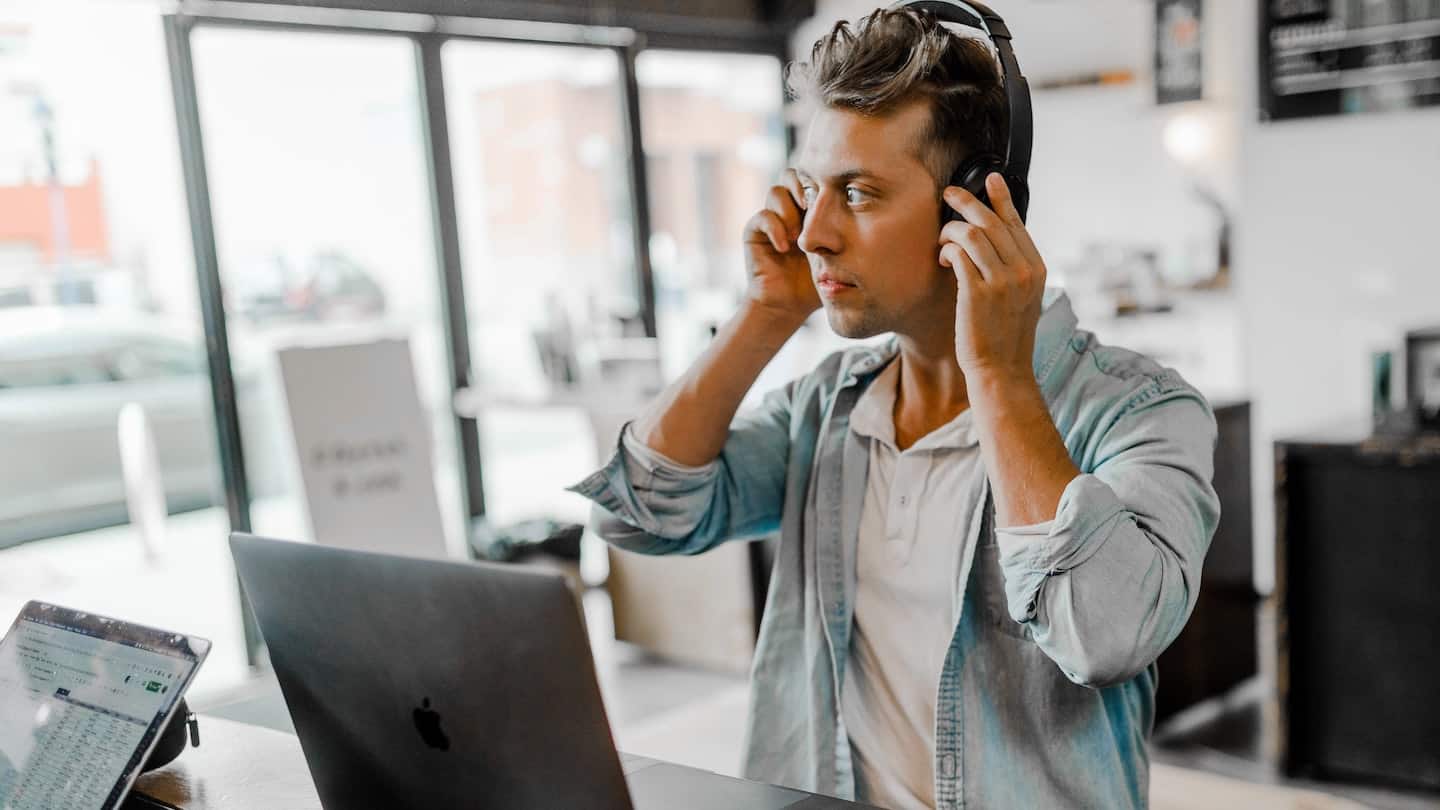
Remote interviews by video conference are more and more common. So it is not unusual to have to connect your computer and be ready to answer the journalist’s questions remotely.
Remember to check your internet connection, and that your audio and camera work properly, before the interview.
Prospecting by phone and prospecting face to face are completely different, and the same goes for an interview. So it is important to practice, test your equipment (computer, earphones, etc.) and set up your environment ahead of time.
Media training: how much does it cost?
Media training can be one-on-one or group. On average, one hour of one-on-one media training costs between €100 and €500. For group training, the average cost per day of training is between €200 and €2,000.
The full cost of media training depends on several factors:
- Your coach’s public speaking experience: Depending on your level and experience, your coach or trainer’s experience is fundamental to giving you best practices and helping you progress faster.
- Setting and length of the training: You need to build training that is as effective as possible and makes the best use of everyone’s time.
- Complexity of the training: Depending on your goals and how deep you want the training to go, it is more or less personalized.
- Number of people to train: Training several people takes time. Each participant needs to practice and be coached.
- Location of the training: Training can take place in various settings: your offices, an agency’s offices or elsewhere.
To choose the right training, you need to build a personalized program. Some agencies or coaches offer regular follow-up and interview practice.
Go furtherThe cost of media training may seem high. But remember that an interview is a good marketing tool for getting your company known. So it is worth investing time and money in it.
The questions we get over and over.
What is media training?
It is a type of training that specializes in dealing with the media. It prepares you to answer journalists' questions as well as possible: anticipate the questions, avoid the traps that keep coming up and get key messages across.
How many key messages should you prepare for an interview?
As a general rule, avoid presenting more than five key messages, or you risk weakening the impact of what you say. They need to be original, short and focused on what you bring to the audience.
How much does media training cost?
On average, one hour of one-on-one media training costs between €100 and €500. For group training, the cost per day of training is between €200 and €2,000. The price depends on the coach's experience, the length, the complexity, the number of people to train and the location.
How long does media training last?
From one hour to several days. The format, one-on-one or group, is something to decide with your trainer or coach.
How do you prepare for a remote interview?
Check your internet connection and that your audio and camera work properly, test your equipment and set up your environment ahead of time. Rehearse by video call or face to face to work on your body language.



What the community says.