



- Identify the reasons customers left before launching a campaign: price, customer experience, a product too hard to understand.
- Don’t try to win everyone back: focus on the customers who contribute most to MRR.
- Calculate the profitability of each offer before launching the campaign.
- Take care of onboarding for returning customers and reward their loyalty.
- Stick to two or three messages: beyond that, you risk ending up in spam.
To fight customer loss, you need to understand why customers churn, focus your efforts on your most valuable customers, and reward loyalty.
In this article, I walk you through 10 effective win-back strategies for your inactive or lost customers.
1. Understand why your customers churn
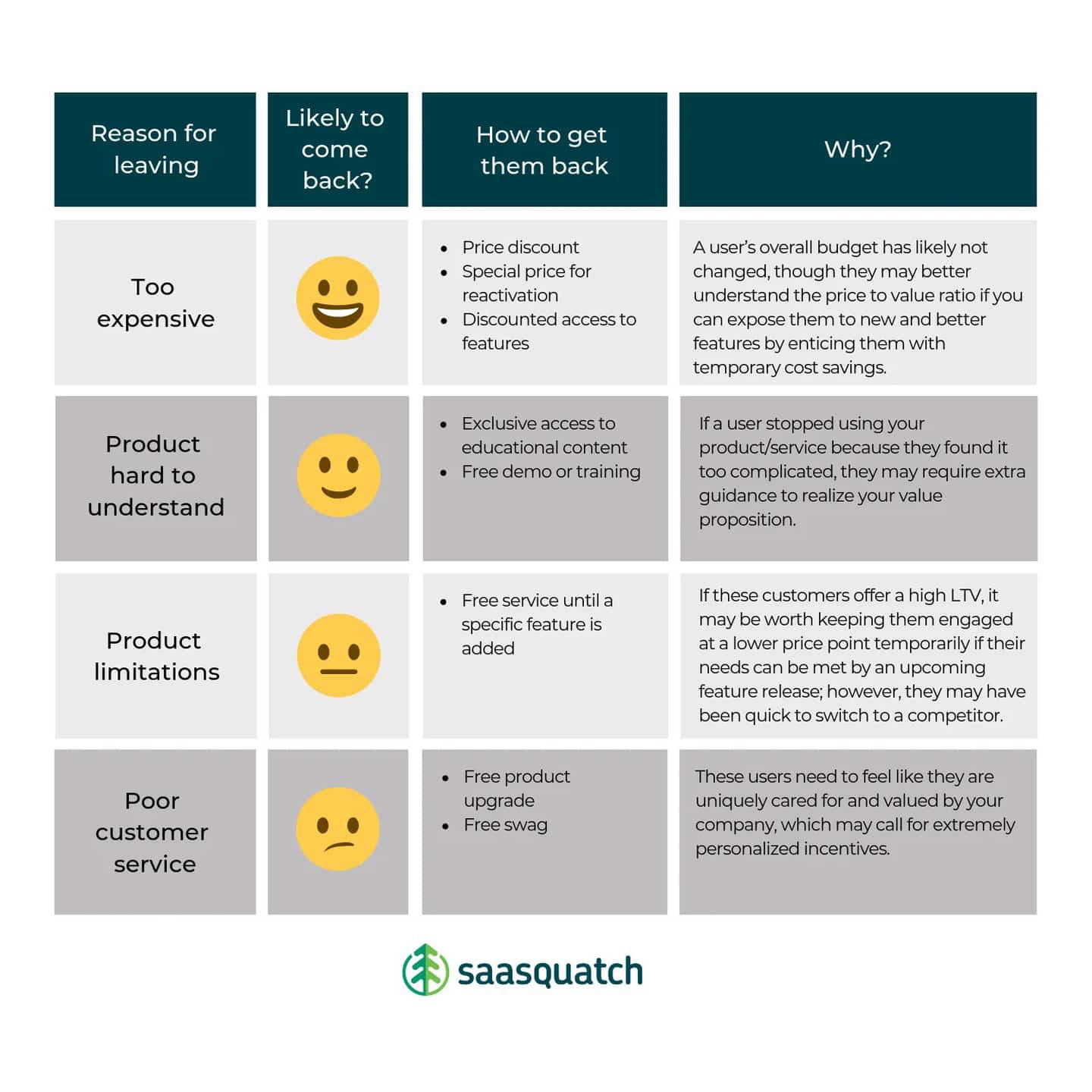
There are plenty of reasons why a customer might cancel their subscription to your service or stop buying from you.
Quite often, it’s because the products are too expensive, they had a bad customer experience, or they find the product they bought too hard to understand.
2. Pick your best lost customers
To avoid losing too many customers, I recommend targeting your marketing efforts at some customers rather than others. Check, for example, whether your customers match the criteria you’ve set, and if you notice that some are unlikely to contribute much to your MRR, focus on other customers. No point wasting your time (and your money) on customers who probably won’t stay long!
If you want to launch a win-back strategy, make sure above all that you analyze the data you have on your customers’ behavior, and which variables matter most. That will help you spot behavior patterns, build a solid strategy and develop good customer relationships.
Salesdorado tipTo identify at-risk customers, a customer success tool can be a big help.
3. Personalize your win-back strategy
Once you’ve identified the customers you want to win back, make sure you personalize your win-back strategy and offer products that match their needs.
For example, you can show them the value you brought them when they were still your customer, reminding them what your products made possible and how long your relationship lasted.
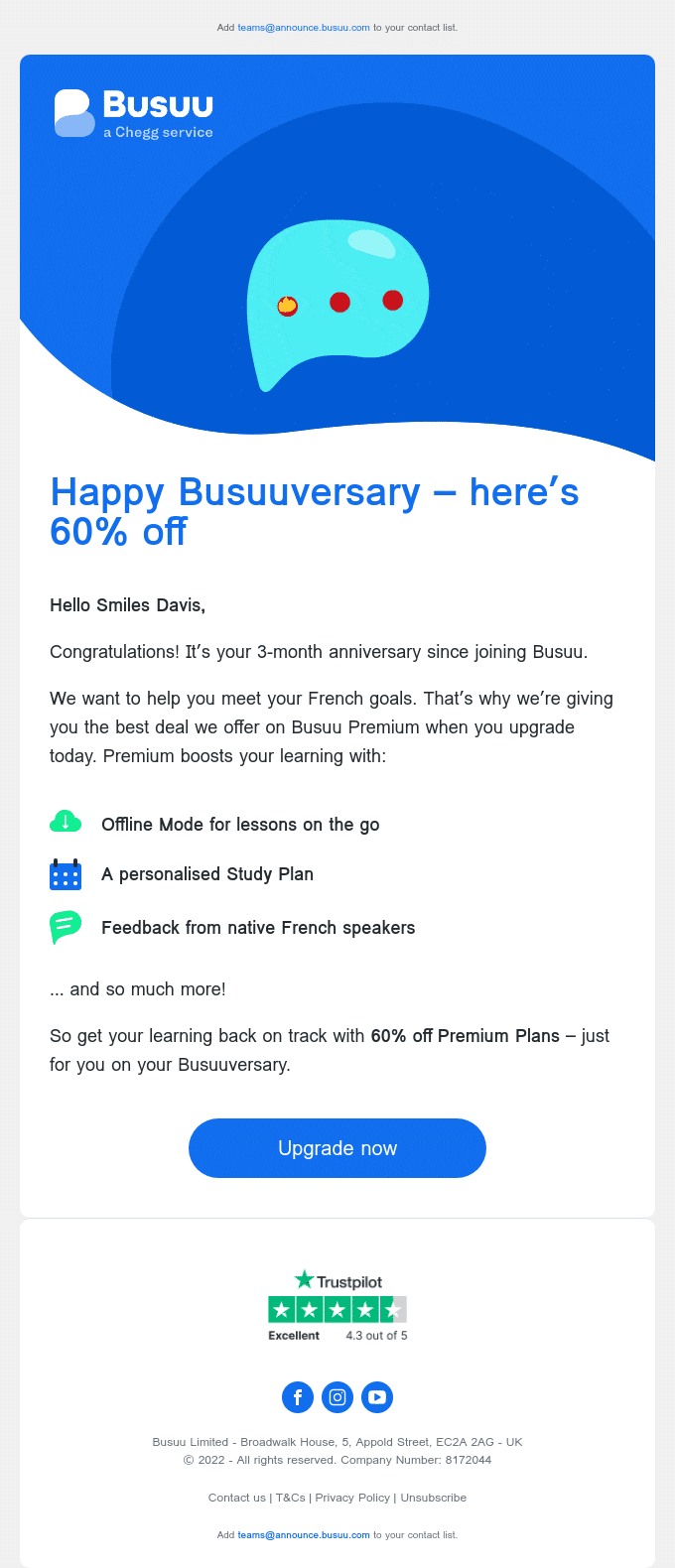
Don’t hesitate to send them highly targeted promotions or re-engagement offers, show them a product’s new features or sponsor a contest. It’s a small nudge that can tip the balance in your favor!
4. Automate your win-back campaigns
Once you’ve defined your strategy, don’t hesitate to automate your win-back campaigns. Your customers will receive rewards automatically at the right time and, above all, you won’t have to follow up manually, which saves you a lot of time!
When you automate, you can set the sending delay and the type of reward to send, or even personalize the reward notification email.
Above all, whenever you roll out new offers, get back in touch with your former customers!
5. Set a budget for each campaign
Before launching your campaigns, make absolutely sure you understand the profitability of your actions. The first step is to study your segments. You need to try to predict how long a returning consumer will stay with you.
Quite often, customers who come back stay longer the second time, and that’s especially true of customers who left because of price.
So you need to understand which types of offers attract the most customers, of course, but also know the costs and returns of each one, and weigh cost against return on investment if you want to maximize your profits.
6. Prioritize onboarding for your new customers
Once you’ve managed to bring your former customers back, you absolutely have to focus on their onboarding. It’s easy to see a direct correlation between how customers are welcomed and how loyal they become, and customers care a lot about it!
So make sure you give them a positive experience that exceeds their expectations, and help them discover your product in full. Above all, show them what makes your solution valuable and set it apart from competing products!
7. Analyze your customers’ behavior
Keep analyzing your customers’ behavior at all times. It’s essential for adapting your strategy and reactivating the customer when needed.
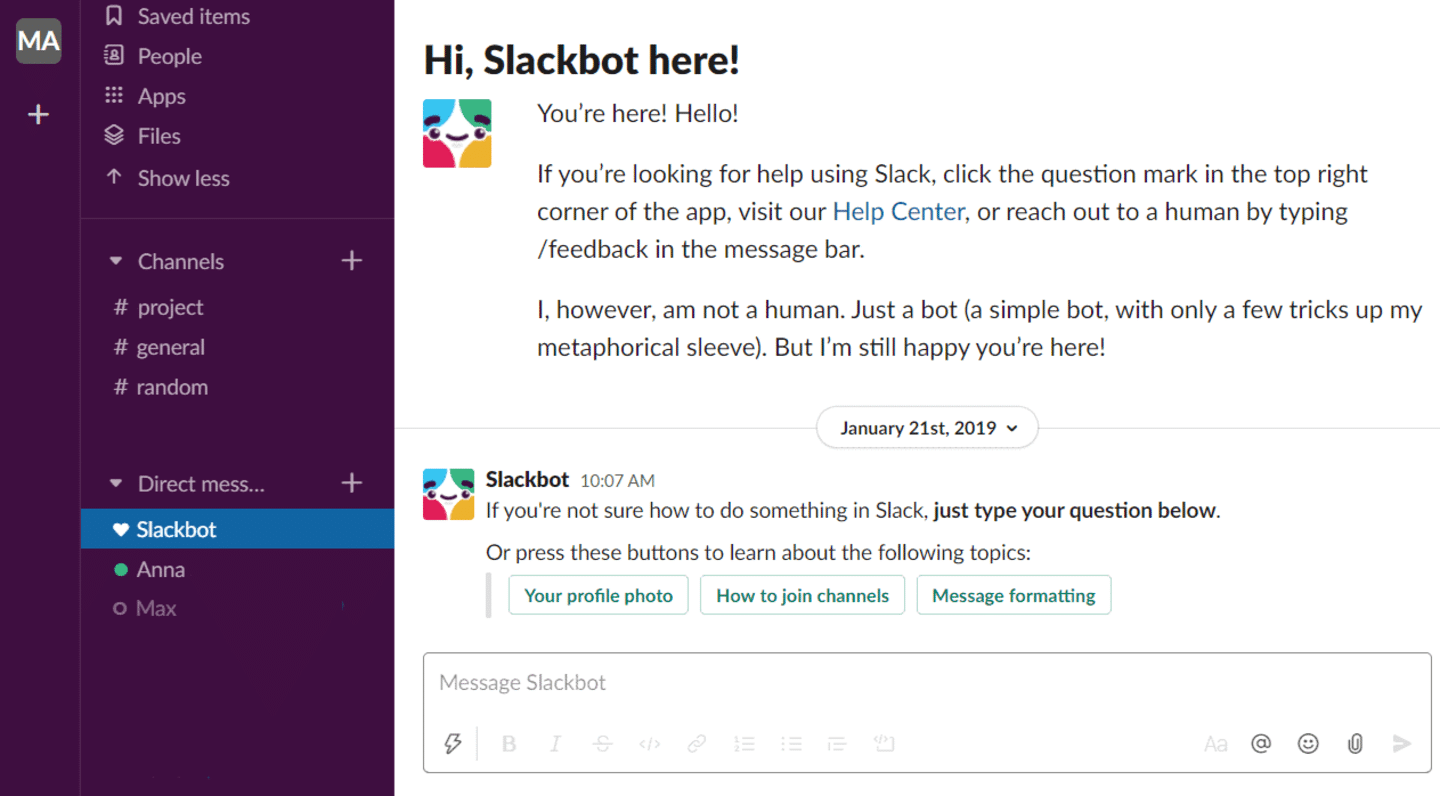
You can do this by asking them targeted questions about a product, for example, or asking for their opinion on a given product. It’s very useful for understanding your customers’ expectations as well as possible and reducing your churn rate.
8. Reward your customers’ loyalty
Throughout your win-back strategy, keep in mind that you brought your customer back thanks to all the effort you put in beforehand. Keep going in that direction and don’t hesitate to nurture and maintain their loyalty throughout their lifetime.
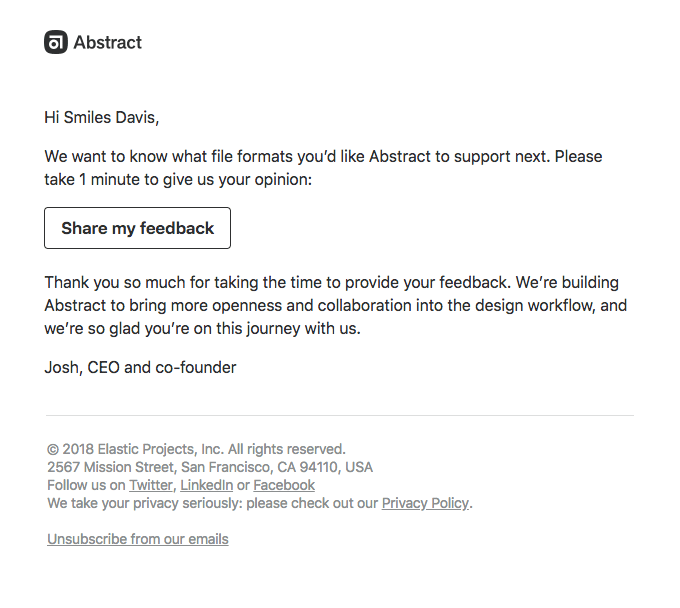
You can show them you’re grateful they’re back by sending them a birthday message and an exclusive offer, for example. You can even reward your former customers’ past loyalty by sending them a congratulations email on the anniversary of their first purchase, with a promotion on a product, for example.
Above all, keep in mind that acquiring a new customer costs six times more than retaining and reviving an existing one! The effort you put into giving your current customers a little extra will always be worth it.
9. Know when to stop
According to a Marketing Land study, only 12% of emails sent as part of win-back campaigns are opened. So whatever strategy you adopt for your win-back campaign, the most important thing is knowing when to stop.
Depending on how long the customer has been inactive, I’d say two or three well-crafted messages tailored to their particular case are enough. Beyond that, you risk ending up in their spam folder.
10. Measure the performance of your win-back campaigns
Tracking the results of your win-back campaigns is essential to know whether you’re putting your efforts in the right place. Several tools let you see which customers were won back thanks to your efforts and, above all, how much they’ve spent with you since coming back.
The success of a win-back campaign is measured above all by how long they stay active. As a first step, you can try to measure the reactivation rate after launching your campaign, just as you track the conversion of your prospects.
Then you can also experiment with new variables in your win-back strategy, such as the value of your rewards or the copy of your reward notification emails, for example.
The questions we get over and over.
Why do customers leave?
Quite often because the products are too expensive, they had a bad customer experience or they find the product they bought too hard to understand.
Which lost customers should you try to win back?
Those who match your criteria and can contribute to your MRR. No point spending time and money on customers who probably won't stay long.
How many messages should a win-back campaign send?
Two or three well-crafted messages tailored to the customer's case are enough, depending on how long they've been inactive. Beyond that, you risk ending up in their spam folder.
How do you measure a win-back campaign?
By the reactivation rate after the campaign launches, then by how long won-back customers stay active and what they've spent since coming back.



What the community says.