



- Every scenario starts from a trigger: signing up for a trial or a newsletter, a downloaded resource, a missed webinar, a contract anniversary, an abandoned cart, inactivity.
- After a missed webinar, send the replay or a summary: the goal is to demonstrate your value, not to sell.
- Lead scoring assigns points to each prospect based on their conversion potential and their interest.
- Set 3 to 5 goals, for example based on the AARRR framework, and a dedicated campaign for each one.
- Once a month, A/B test the subject lines of the most-sent emails; once a quarter, add a scenario.
Used well, marketing automation scenarios are an excellent way to save resources while improving your sales performance.
Here is a reminder of the steps to follow to set one up:
- Be clear about your goal.
- Decide on the trigger and the end point of your scenario.
- Map out your sequence to get an overall view.
- Choose your marketing automation tools based on your needs.
- Set up your scenario.
- Analyze your results and identify areas for improvement to test.
In this article, I present 11 examples of marketing automation scenarios, each with an example trigger and the action that can follow from it. We took the examples from our own inboxes, trying to keep B2B examples only.
1. Free trial engagement scenario
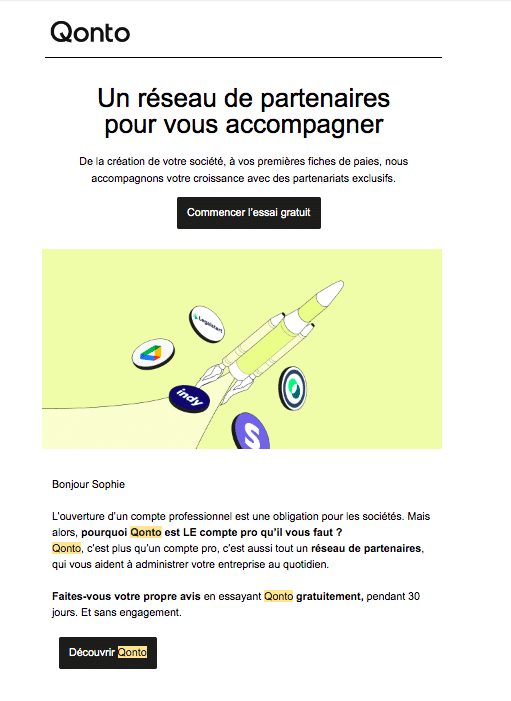
- Trigger: Your visitor signs up for a free trial.
- Action: There are many actions you can take after someone signs up for the free trial. For example, you can send resources to help them get started with your software in the first days after signing up. If your prospect is using the software, feel free to send them more advanced resources. If they are not using it, you can put them in touch with your sales teams. A few days before the end of the trial period, make sure you send your prospects a message encouraging them to convert their trial. If you run webinars or training sessions, don’t hesitate to invite them too, to keep the connection going.
Everything you set up after the user signs up matters a lot if you want to turn them into a regular user. Your job is to work out which messages will keep users interested and when to send them.
2. Newsletter sign-up
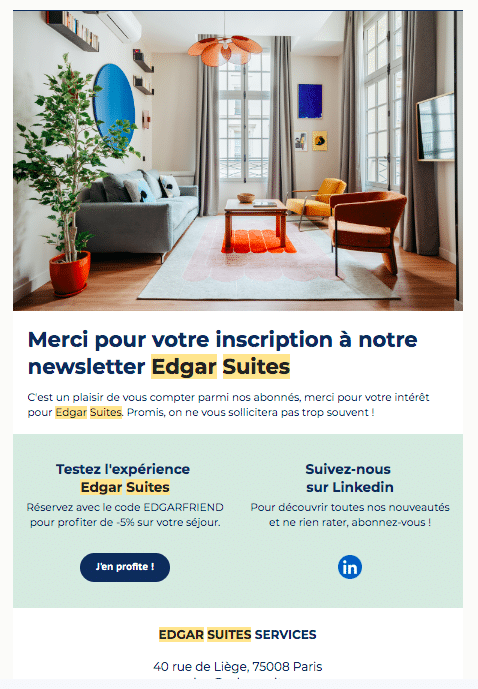
Edgar Suites: welcome newsletter
- Trigger: A visitor signs up for your newsletter
- Action: Right after signing up, the visitor receives an email with:
- How often our newsletter is sent;
- The content we send;
- A list of the most-read articles on the blog;
- A request to add our sending address to their contacts (so as not to land in the Gmail Promotions tab or in spam).
Newsletters are an excellent way to generate leads by email. The best way to keep your recipients engaged over the long term is to offer rich newsletters, with external links to other websites and quality content.
Read alsoTop 12+ newsletter creation software
Also make sure you offer content that is relevant to your recipients’ interests and activities. You can also choose to adapt the newsletter to how engaged recipients are with your content.
The Salesdorado giftSign up for free to access all our resources and receive the newsletter every Tuesday at 9:30 a.m.
3. Content nurturing
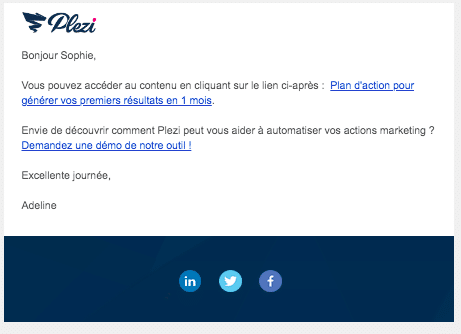
- Trigger: Your prospect has downloaded a resource from your site.
- Action: You should take this opportunity to keep sending them, automatically, a series of educational or promotional content to turn the prospect into a customer. It will also let you classify your prospect.
Content nurturing should help you move your leads forward, taking them from prospect to customer with high-value, personalized and relevant content. Once a prospect has downloaded one of your pieces of content, the goal is to identify which content they are likely to enjoy, based on their interests. For example, if one of your contacts downloads a guide to B2B lead generation, it makes sense to keep sending them the resources you offer on that topic.
Also make sure you leave reasonable gaps between each action in this workflow. That will of course depend on the length of the content you send and on how well your prospect can take it in.
It is a strategy that can take time to set up before you get to a relevant workflow, but it is super effective for generating leads!
4. Webinars
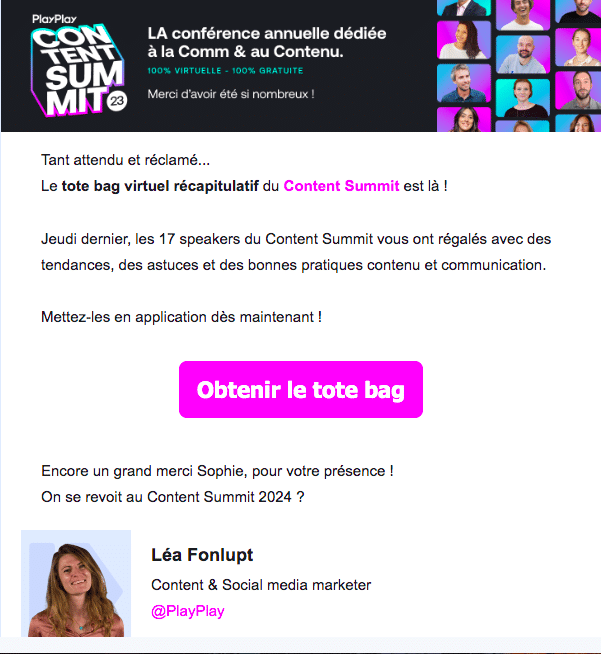
- Trigger: Your prospect signed up for a webinar but did not attend.
- Action: You can send them an email with the replay of the webinar or a written summary with resources, and offer them a free 15-minute consultation. Your goal will not be to sell but to demonstrate your value.
If you run webinars, inviting your prospects to them is an excellent strategy for helping them mature.
Beyond the emails you can send to those who missed the webinar, you can set up a workflow that automates how you manage your webinars. It will let you send the invitation and reminder emails automatically and save your marketing teams a lot of time.
Read alsoTop 10 best webinar software
5. Birthday
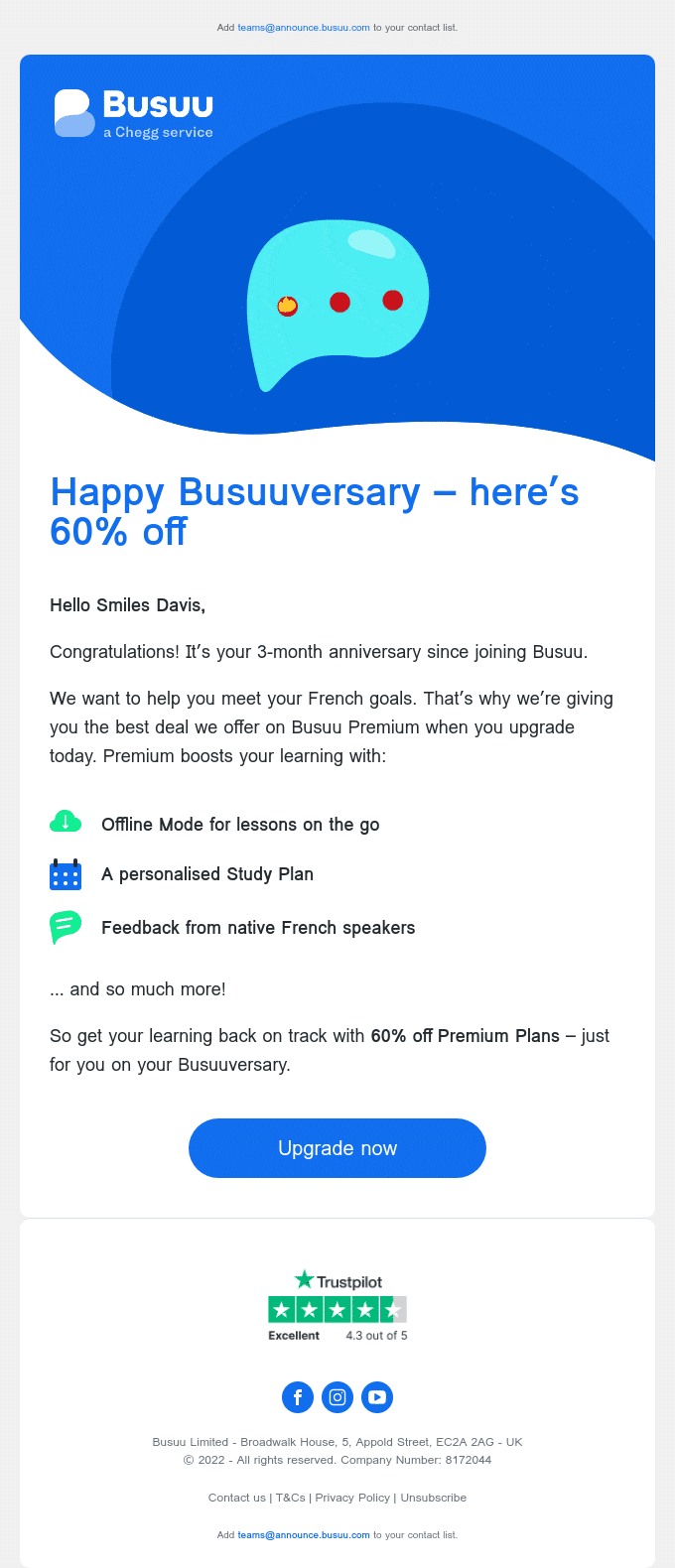
- Trigger: 1 year under contract (the contract anniversary instead of the person’s birthday).
- Action: Show your customer that you care about them, and feel free to celebrate your working anniversaries, for example. It shows them that you are grateful for the trust they have placed in you for a year and that many more years are still to come. You can also review the results or how things have changed since you started working together.
Personalized messages are an excellent way to keep potential customers interested. It is a good opportunity to give them a special gift for the occasion and remind them of your interest!
6. Rewards
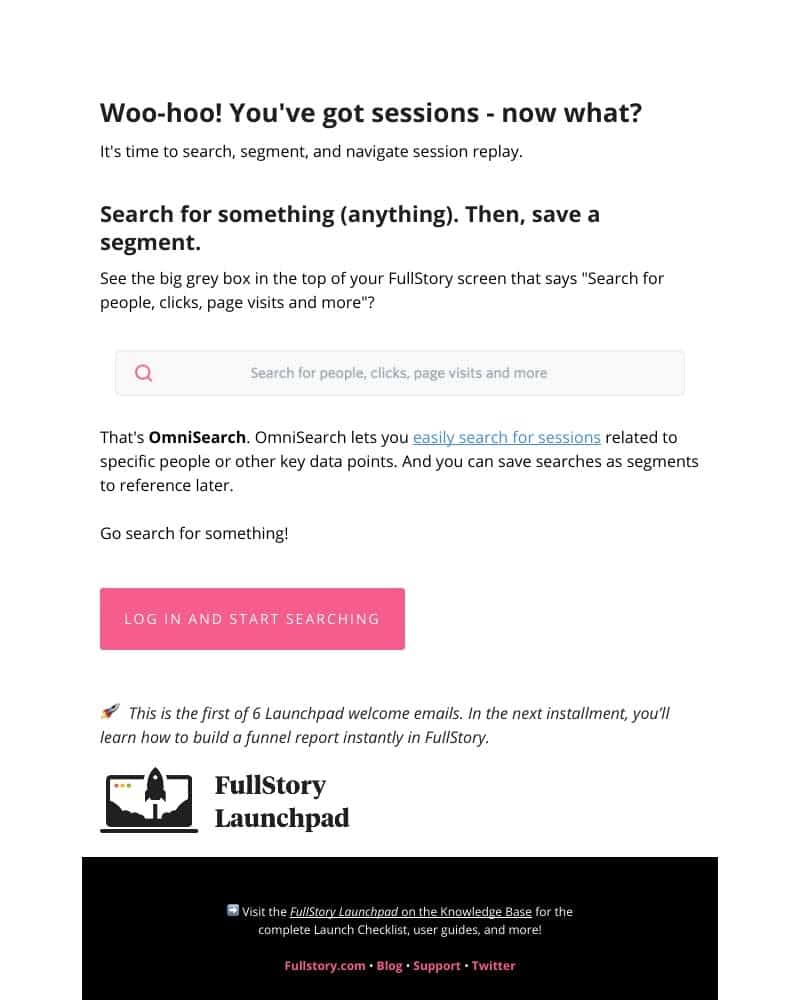
- Trigger: Your prospect shows interest in your product or services.
- Action: The best way to get people interested in your brand is to reward them for their interest. This can be done through gifts or exceptional offers, for example.
It is a fairly easy strategy to set up for software vendors, but more or less any type of company can develop it. For example, you can reward your customers for their online engagement.
7. Cart abandonment
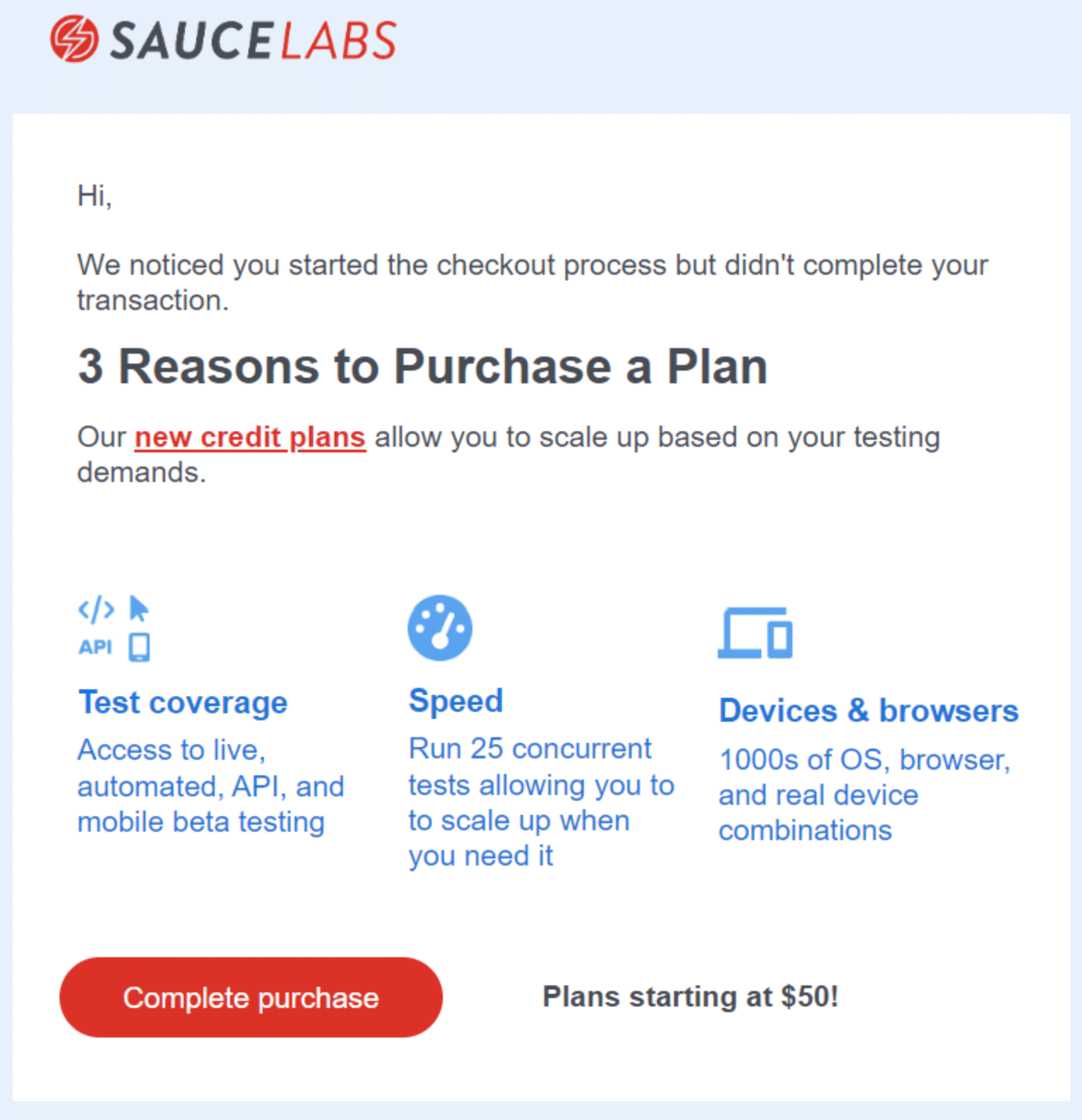
- Trigger: When your prospect did not go all the way through the purchase.
- Action: This action lets you re-engage prospects who showed interest but did not see it through. The goal is to send them back to the site to recover that lost conversion. You can also offer them a discount to encourage them to take the plunge, for example.
If the visitor is already on your contact list, you can create a workflow that is triggered when they view certain pages of your site and leave without buying anything.
You can also send them a simple reminder letting them know they left without buying, or use the occasion to offer them a discount if they make a purchase within a set time frame.
To make your action even more effective, you can also pair cart abandonment emails with order confirmation emails to increase visitor engagement.
Go furtherIf you want to learn more about sales prospecting, feel free to browse our articles on the subject:
- Top 10 sales prospecting methods.
- Top 10 sales prospecting agencies.
- Build a sales prospecting plan in 6 steps.
8. Re-engagement
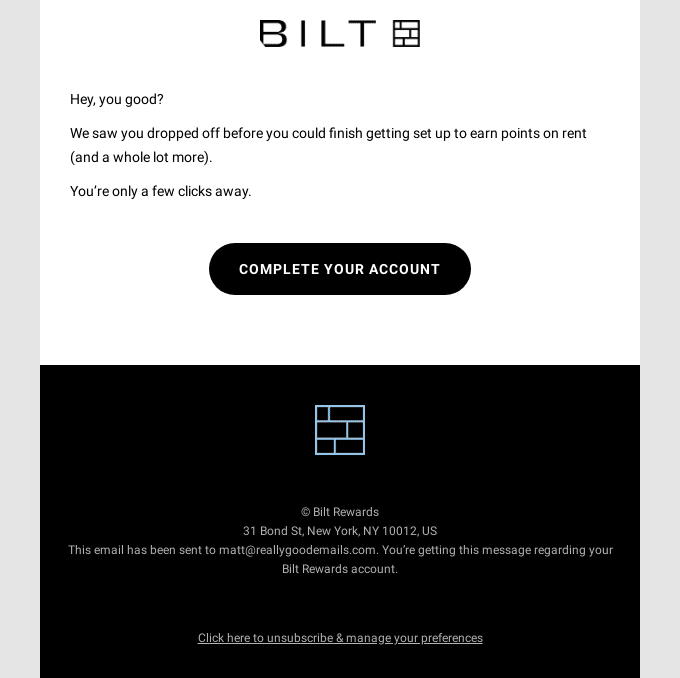
- Trigger: A prospect you engaged some time ago who has stopped being active.
- Action: When people lose interest in your brand, sometimes all it takes is reaching out and reminding them that it has been a while. First of all, you need to identify why they stopped being interested. If it was just a question of timing, maybe now is the right time to follow up with them with personalized, industry-specific content, for example.
The most important thing in these campaigns is to really understand what is holding the prospect back. The campaign can aim to solve a common problem or to understand the problem. Your users may run into accessibility issues or operating system support issues, for example.
9. Lead scoring
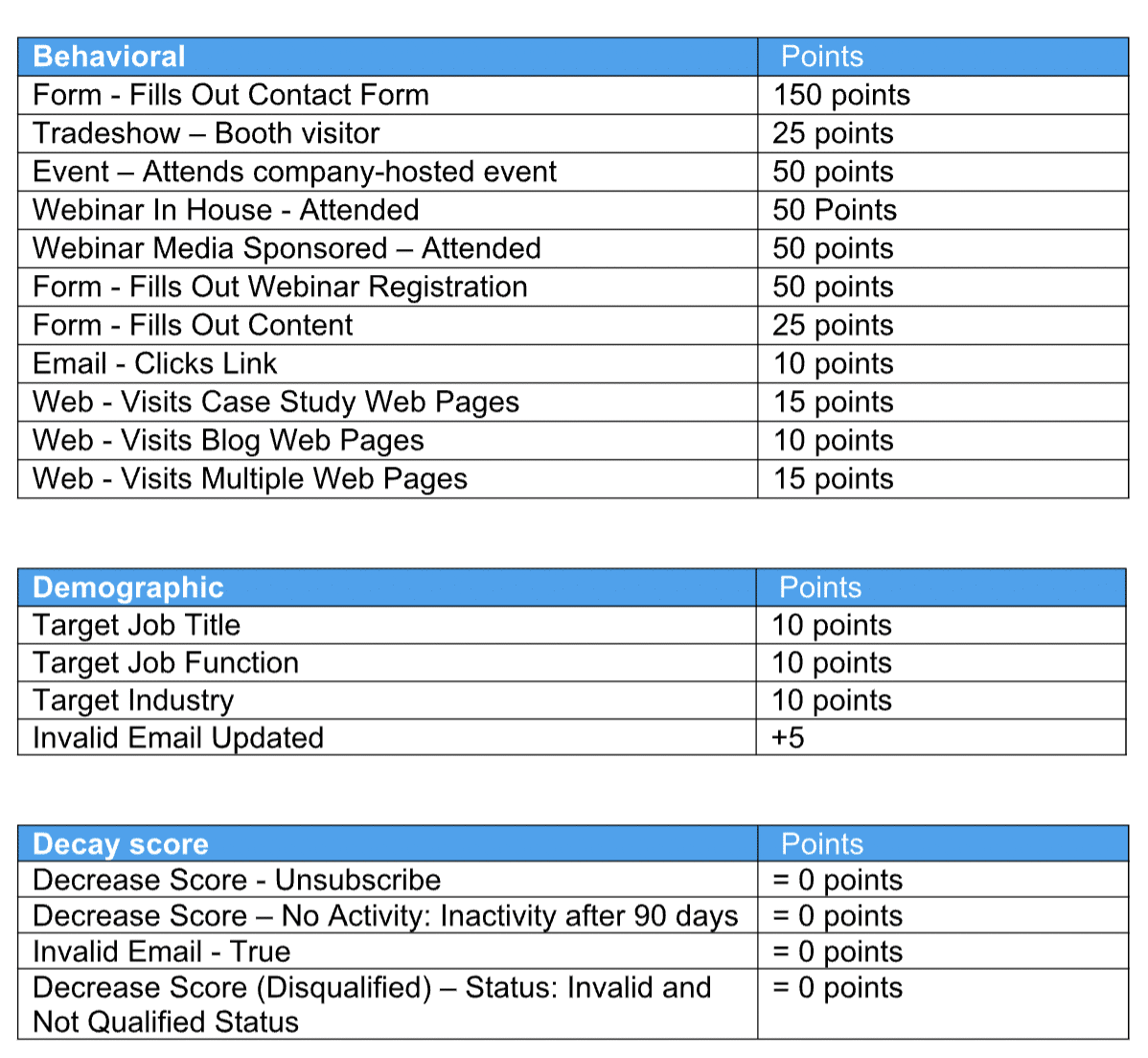
- Trigger: When your prospect shows a sign of interest in your business.
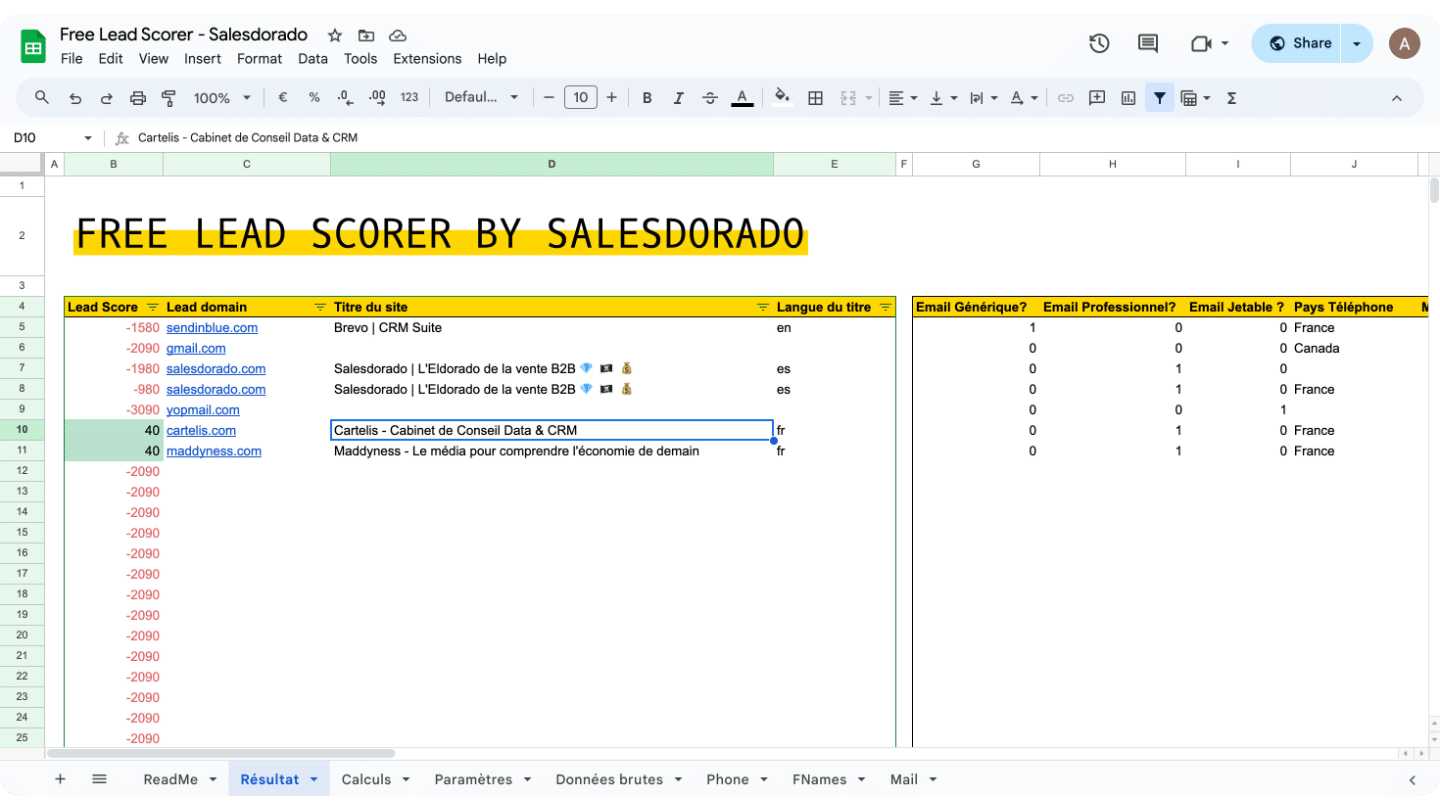
- Action: This workflow lets you identify and classify your prospects. The idea is to give each of them a number of points (a score) reflecting their conversion potential and their level of interest in your business. It lets you judge whether it is worth sending them personalized content afterwards.
Lead scoring is super effective for prioritizing the most promising prospects and sending them messages that guide them effectively.
You can create automated prospect scoring flows that update these scores as users take actions, which means their purchase intent is growing.
10. Upselling
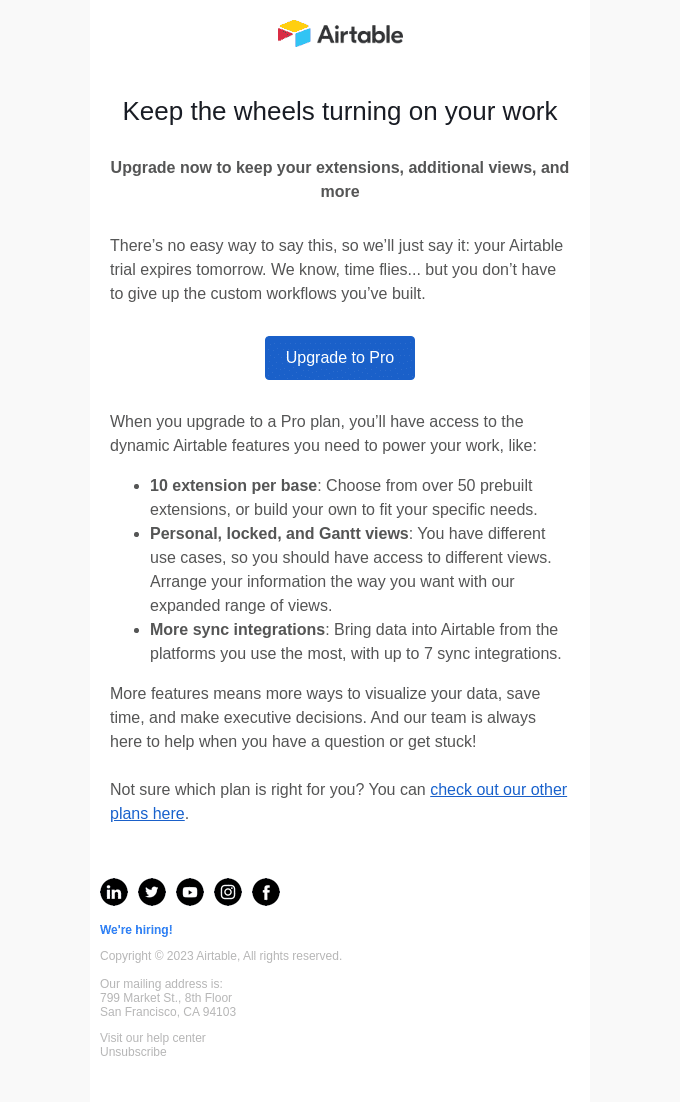
- Trigger: a customer’s contract is ending or their needs are changing.
- Action: You can send a series of emails to customers whose contract ends soon and review their results or their needs. You can also take the opportunity to book a meeting directly with them and present the new offers that are better suited to their life cycle.
Upselling, or incentive selling, encourages customers to buy a product from a higher category than the one they intended to buy. Upsell campaigns are an excellent way to win over new customers in the following weeks or months.
For example, if you see that new customers are making a first purchase on your site, don’t hesitate to set up workflows that will encourage them to make more purchases in the future.
The key is to make sure your campaigns are relevant to the purchases customers have already made, and to target them with additional products/services that will improve the experience of their previous purchases.
11. NPS
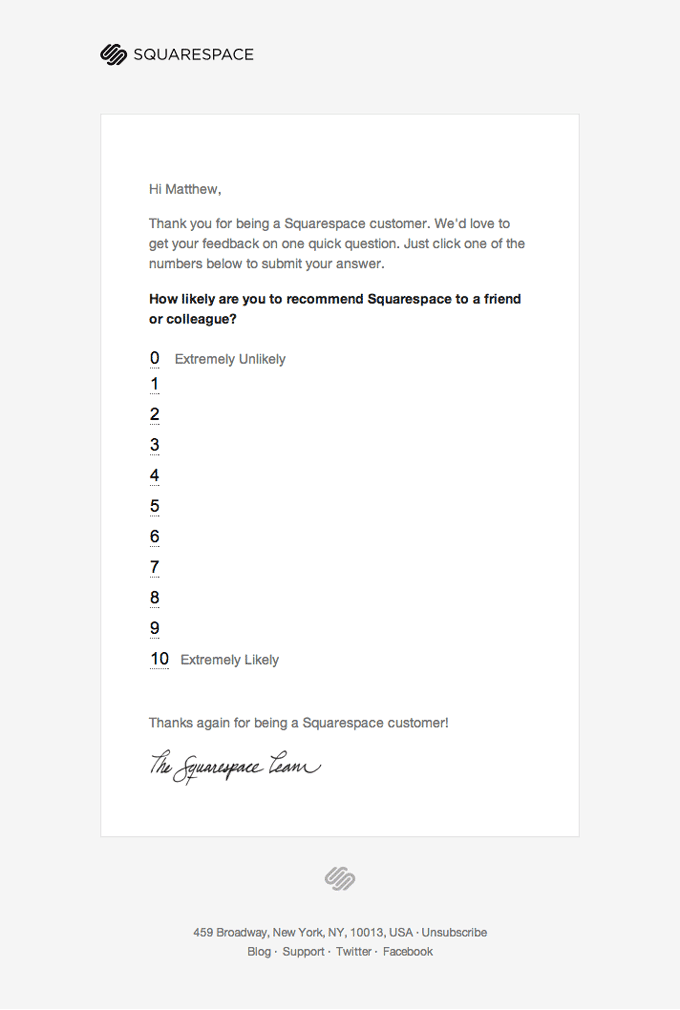
- Trigger: One week after a service is delivered or a purchase is made.
- Action: The Net Promoter Score involves sending a satisfaction survey to classify your customers by their recommendation score, from 0 to 10: promoters (9 and 10), passives (7 and 8) and detractors (0 to 6). Depending on their answers, your customers are automatically added to a list. Satisfied customers get a thank-you and a request to leave a review on your customer review platforms. Dissatisfied customers get a thank-you too, and you talk to them by phone to understand why they are dissatisfied and to improve.
The Net Promoter Score is a customer satisfaction measurement indicator. It is a great way to take the temperature and track the satisfaction of your new customers over time.
The surveys will give you practical suggestions on how to improve your products and increase customer satisfaction. You can automate this process and automate the follow-up messages based on the type of feedback you receive.
Beyond NPS, positive reviews on third-party platforms such as Google Reviews weigh heavily in your potential customers’ decisions. You have every reason to automate this process and build into your workflow a notification system that alerts your sales team when a review is left on a third-party platform. That way you can respond quickly and fix any problems that come up.
Once your customers are ready to recommend you to other people, you can launch a referral campaign. All you need to do is set up an automated workflow that measures your customers’ satisfaction throughout the life cycle and sends relevant messages at the right time.
Running successful marketing automation campaigns: a working method
1. One campaign per goal
Set between 3 and 5 goals, and for each goal, come up with a dedicated campaign.
The simplest approach is to pick a revenue generation framework (it doesn’t really matter which one) and break it down to set one goal per element of the framework.
For example, for the AARRR framework:
- Acquisition: A white paper with an “educational” sequence.
- Activation: A sequence of 4 or 5 emails that guide the user through creating their account.
- Retention: You can imagine several scenarios here. The most classic one in SaaS would be “Switch to an annual plan and get 2 months free”.
- Revenue: A fairly classic upsell scenario – Present the benefits of the features or services that an upsell gives access to.
- Referral: You can go very far here with very complicated things, or keep it very simple and ask for a customer review on a public platform, with one or two reminders.
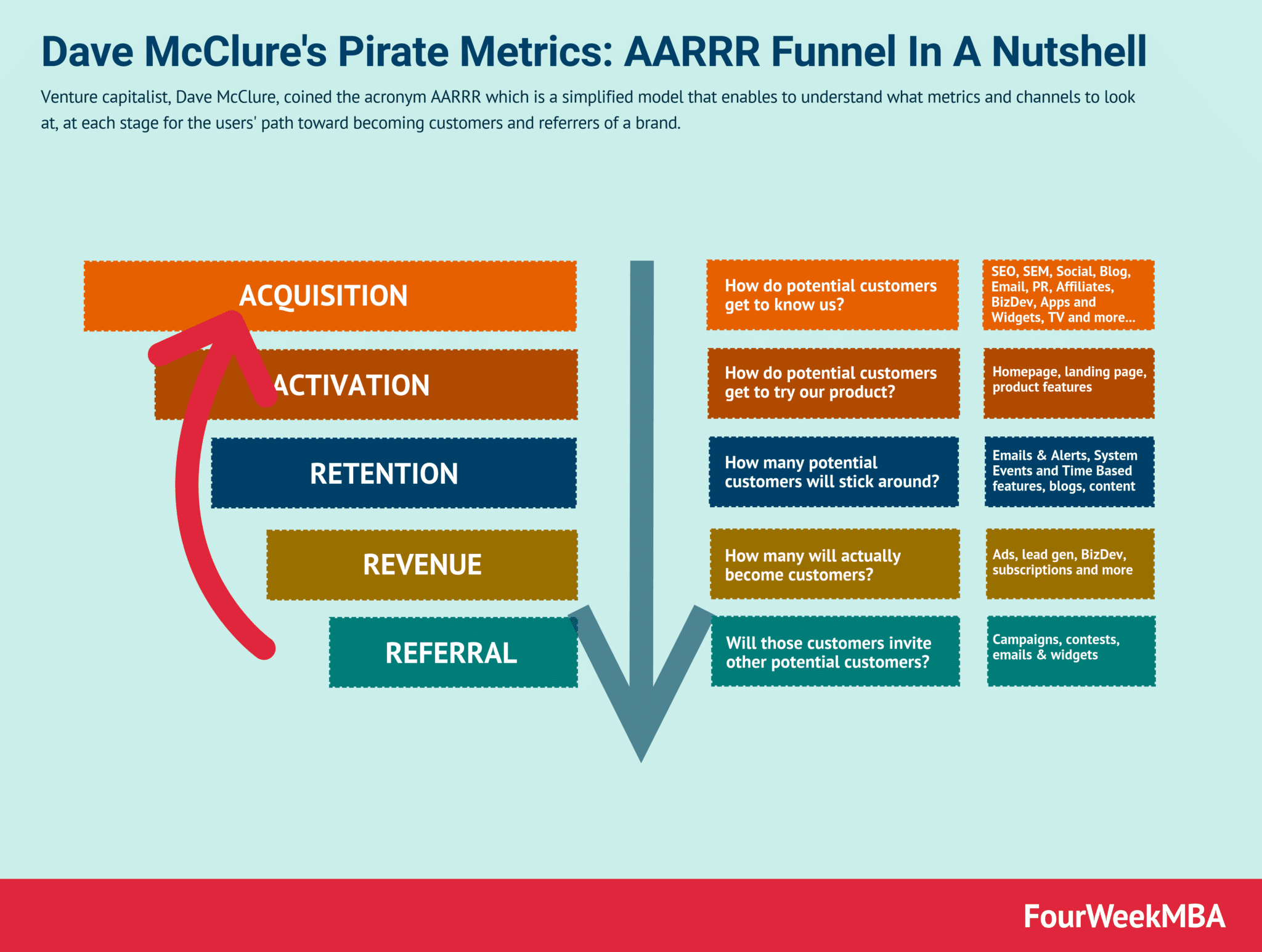
You can use other frameworks (for example: Awareness Consideration Decision), or run one campaign per product if you have several different products, or one campaign per persona if you have several, etc.
2. Iterate and improve your campaigns
Once a month
Without completely changing the campaigns, you can optimize the 3 or 5 emails that are delivered the most (by volume). First, make sure you A/B test your subject lines to maximize open rates. When it makes sense, you can also change the call to action to maximize engagement (if applicable), or rewrite every sentence of the body using three fewer words – until it no longer means anything (just before that, then). And that’s it!
Next, you can run a more structural test on one of your campaigns. You can do it by extending the segment (widening it to more contacts), changing the delays, or changing the order of the emails (the last one first, the first one last, for example). You can also decide to change all the emails and then A/B test them.
3. Add complexity to your flows sparingly
Once a quarter
- Come up with a new scenario for one of the goals you have set.
- Create a scenario that targets a different segment, on a different timeline, for example.
For retention, you could add an NPS scenario after one month if you are able to win back the detractors. Or an upsell scenario ($ retention, rather than logo retention, then), etc.
The questions we get over and over.
How do you set up a marketing automation scenario?
In six steps: be clear about the goal, decide on the trigger and the end point of the scenario, map out the sequence, choose your marketing automation tools based on your needs, set up the scenario, then analyze the results to find areas for improvement to test.
What should you do when a prospect signs up for a webinar but does not attend?
Send them an email with the replay or a written summary with resources, and offer a free 15-minute consultation. The goal is not to sell but to demonstrate your value.
How do you follow up on an abandoned cart?
With an email that sends the prospect back to the site to recover the lost conversion: a simple reminder, or a discount if they buy within a set time frame. If the visitor is already in your contacts, the flow can be triggered when they view certain pages and leave without buying.
How do you use NPS in an automated scenario?
One week after a service or a purchase, you send a satisfaction survey. Depending on their answers, customers are added to a list: satisfied customers are invited to leave a review on your customer review platforms, dissatisfied ones get a phone call to understand their reasons.
How do you improve your marketing automation campaigns?
Once a month, optimize the 3 to 5 most-sent emails by A/B testing the subject lines, then run a more structural test on one campaign: a wider segment, changed delays or a different email order. Once a quarter, come up with a new scenario for one of the goals.



What the community says.